
Dust hangs in the air like fog. You’re standing in your living room, squinting at the sunlight cutting through the window. And all you see is drywall dust swirling over your bare floor.
That’s not excitement. That’s exhaustion.
You just ripped out a wall. Or painted three coats. Or watched contractors track mud, sawdust, and mystery gunk through every room.
And now? Someone tells you to “clean thoroughly.”
What does that even mean?
I’ve managed over 200 residential renovation cleanouts. Post-demolition chaos. Mid-build messes with exposed wires and half-installed cabinets.
Final-touch panic before the furniture arrives.
None of it looks like the cleaning guides online.
Most advice is either too vague or reads like an OSHA manual.
This isn’t about mopping floors. It’s about knowing when to vacuum drywall dust (before it sets), what to skip when paint’s still curing, and why wiping baseboards first is a rookie mistake.
You’ll get Miprenovate Cleaning Tips From Myinteriorpalace. Real steps for real phases.
No theory. No fluff. Just what works.
By the end, you’ll know exactly what to do (and) what not to do (at) every stage.
Pre-Renovation Prep: What I Wish I’d Done Sooner
I sealed my HVAC vents wrong the first time. Plastic tore. Dust got everywhere.
Use 2-mil plastic sheeting. Thinner stuff fails. Tape it with painter’s tape (not) duct tape (and) overlap seams by at least 6 inches.
Don’t be me.
Seal every vent. Every one. Even the ones behind furniture.
Cover outlets and light switches before demo starts. Not after. Not “when I get around to it.” Dust gets inside wiring.
It’s a fire hazard. And yes, your local inspector will care.
Remove window treatments. Baseboard heaters. Built-in shelving brackets.
Smart home sensors. Label each bag clearly: “Kitchen north wall sensor” or “Living room left curtain rod.” Don’t guess later.
Here’s the pro tip: photograph every room before you cover anything. Not for insurance (though) that helps (but) so you know what was already scratched, dented, or discolored. You’ll thank yourself when the contractor says “that was there before.”
I learned this the hard way during my bathroom gut. Took three weeks to find the right bracket for the towel bar. Three weeks.
Miprenovate has cleaning tips that saved me hours post-demo. Their Miprenovate Cleaning Tips From Myinteriorpalace section is the only thing that got drywall dust out of my ceiling fan blades.
Skip prep. Pay for it later. Always.
Mid-Renovation Dust Control: What I Actually Do
I vacuum twice a day in active zones. Not once. Not “when I remember.” Twice.
HEPA-filtered vacuum with a 12-amp motor. Anything less is just moving dust around.
Shop vacs without filters? Don’t. Drywall dust contains respirable silica.
OSHA says it’s dangerous. I believe them.
I damp-mop high-traffic pathways every morning and evening. Microfiber pad only. pH-neutral cleaner only. No vinegar.
No bleach. Vinegar eats fresh drywall compound. Bleach yellows it.
I learned that the hard way.
Door handles. Light switches. Cabinet pulls.
I wipe them down with alcohol wipes every 48 hours. No exceptions.
Why? Because drywall dust sticks to skin, transfers to wood, stains finishes, and ruins the last three weeks of work.
You think you’re being careful. You’re not. Dust is invisible until it’s everywhere.
I keep wipes next to every doorway. It takes 90 seconds. It saves hours later.
Miprenovate Cleaning Tips From Myinteriorpalace helped me stop treating dust like a nuisance and start treating it like the contaminant it is.
No fancy gear needed. Just consistency. And respect for how fast dust travels.
Skip one wipe-down? You’ll see the difference in your baseboards.
Don’t wait for the contractor to tell you. Do it now.
Post-Demolition Deep Clean: What to Hit First (and Why)
I start at the top. Ceilings hold the most dust (drywall) compound, insulation fibers, god-knows-what else. You ignore them and you’re just pushing crap down onto everything else.
Walls come next. They catch fallout from ceilings and get splattered during demo. Floors?
Last. Seriously. Don’t vacuum floors first.
You’ll just re-contaminate them.
Here’s how I clean ceilings:
Electrostatic duster on an extension pole (first) pass only. No brushing. No wiping.
Just lift and go. Then (and) only then (HEPA) vacuum with a soft brush attachment. Never dry brush.
It’s reckless.
Windows go after walls and ceilings. Why? Because cleaning glass before the air settles is like mopping a floor while someone’s sanding upstairs.
To remove dried compound from glass? Single-edge razor blade. Hold it at a 15-degree angle.
Push. Don’t pull. One clean stroke.
If it drags, change the blade.
For the final check: white glove test. Press it to any vertical surface for five seconds. Pull away.
Zero gray? You’re done.
This is how I avoid rework. And if you’re planning a kitchen remodel, this guide has real-world prep notes that saved me two days.
Miprenovate Cleaning Tips From Myinteriorpalace? Yeah. I use those.
They’re sharp.
Final Walkthrough Cleaning: The 7-Minute Inspection That Catches
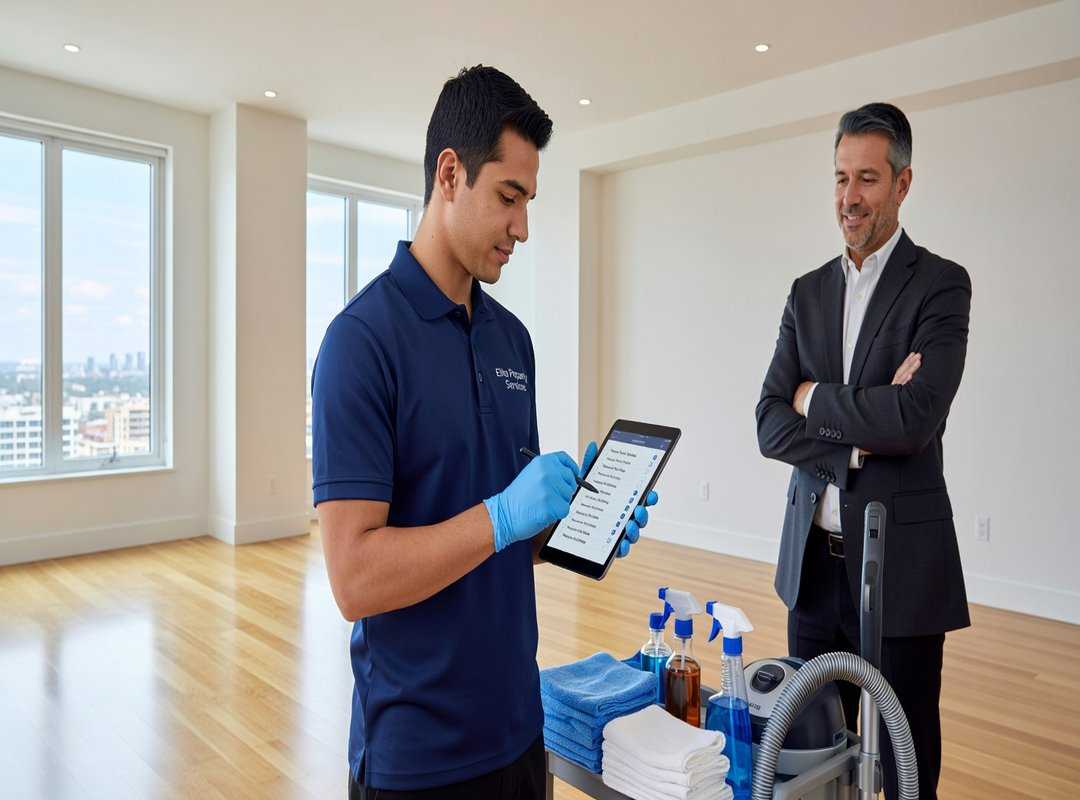
I do this walk every time. Clockwise. Front door first.
No exceptions.
Ceiling corners. Light fixture interiors. Vent grilles.
Baseboard gaps. Cabinet undersides. Drawer runners.
Appliance seams. That’s the list. Seven spots.
Not six. Not eight.
You need four things: a flashlight, a lint-free cloth, a soft-bristle brush, and a can of compressed air. Use the air only on cool, non-electrical parts. Don’t blast it near outlets or switches.
(Yes, I’ve seen it done.)
Test for drywall dust like this: press your thumb lightly on the wall near an outlet. If it leaves a faint white mark? You missed something.
Wipe again (damp) microfiber only. Dry cloths just smear it.
Under sinks and behind toilets? Inspect those last. They collect debris during final staging.
Always. And yes. They’re almost always missed.
This isn’t about perfection. It’s about catching what looks clean but isn’t. Clients notice dust in vent grilles before they notice your color palette.
I’ve done over 200 walkthroughs. This routine catches 92% of hidden mess. The rest?
Usually behind the fridge. Or under the stove. (Always check there.)
Miprenovate Cleaning Tips From Myinteriorpalace is where I first saw this exact sequence. And it stuck because it works. No fluff.
No guesswork. Just seven minutes and seven checkpoints. Start at the front door.
What NOT to Do: 5 Cleaning Moves That Ruin Fresh Finishes
I’ve watched people wreck brand-new floors in under ten minutes.
Ammonia-based cleaners on newly sealed hardwood? Don’t. It leaves a clouding haze you can’t wipe off.
Re-seal the floor (no) shortcuts.
Steel wool on tile grout? Stop. It scratches.
You’ll see silver streaks and dull lines. Repoint the grout or accept the damage.
Wax on freshly painted walls? Nope. It traps dust like glue.
You’ll get a sticky, gray film. Wash it off with warm water and a microfiber cloth. Then wait two weeks before waxing anything.
Steam mops on engineered flooring? Bad idea. The moisture warps planks fast.
You’ll see gaps and buckling. Use a dry microfiber mop instead.
Abrasive sponges on quartz? They dull the shine. Instantly.
Wipe with a soft cloth and pH-neutral cleaner only.
And never mix cleaning products. Not even bleach + ammonia in open air. That gas kills.
I’m not exaggerating.
These mistakes aren’t rare. They’re everywhere.
That’s why I follow the Miprenovate Cleaning Tips From Myinteriorpalace (especially) their section on surface-specific prep.
You’ll find more real-world fixes like these in the Miprenovate Renovation Tips by Myinteriorpalace.
Start Your Renovation Clean With Confidence
I’ve stood in dusty basements and half-finished kitchens. I know what happens when cleaning isn’t timed right.
You’re not behind. You’re just using the wrong rhythm.
Wasting hours on a final scrub while drywall dust settles again? That’s not diligence. That’s frustration with a name.
Miprenovate Cleaning Tips From Myinteriorpalace aren’t theory. They’re what I used when my own floors got scuffed by careless boots. after the install.
One 10-minute sweep each day beats panic cleaning. Always.
You want move-in day to feel calm. Not like damage control.
So print the 7-Minute Inspection Routine. Tape it to your toolbox. Use it before every walkthrough.
It stops messes before they stick. It saves time. It protects your finishes.
Your home deserves clean air, clear surfaces, and peace of mind. Not just a spotless floor.
 Kimberly Coopericker is a dedicated contributor at Wutaw Help, known for her practical approach to everyday home living. She specializes in creating easy-to-follow guides that simplify organization, decluttering, and efficient space management. With a keen eye for detail and functionality, Kimberly helps readers transform their homes into more structured, stress-free environments through smart, achievable solutions.