Kids are chaos, right? They can turn a living room into a hazard zone faster than you can say “timeout.” As a parent, I know the panic of realizing your home is a maze of potential dangers. But don’t worry.
You’re not alone. We’re all trying to keep our little ones safe. The real question: how to do it effectively without turning your space into a padded cell?
childproof home tips come in. These aren’t random ideas but tried and tested methods that actually work. You’ve probably wondered if you need to bubble-wrap everything or just buy a million locks. No, there’s a smarter way.
This article will guide you through practical steps to make your home safer. You’ll find tips backed by experts and real-life experiences. No fluff, just solid advice.
By the end, you’ll feel more confident about securing your home. And yes, you’ll sleep better at night knowing your child is safer.
The Foundation of Child Safety: Getting on Their Level
Childproofing isn’t just a checklist of gadgets and covers. It’s a mindset shift. You have to see your home from your child’s point of view.
That means getting down on your hands and knees to spot dangers at their level. I call it the “crawling tour.” It reveals surprises like exposed outlets and those sneaky dangling cords.
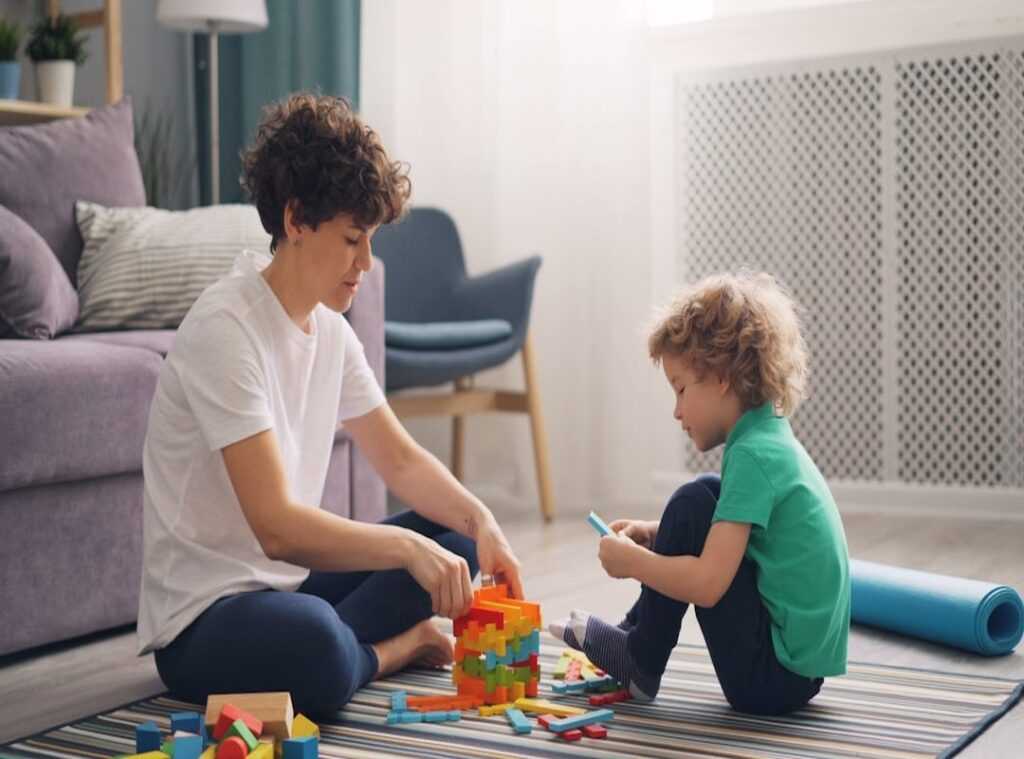
Creating Yes Spaces is another trick up your sleeve. These are areas where kids can roam freely without constant “No, don’t touch that!” It’s a relief, trust me. Less stress for you, more fun for them.
Safe spaces for unbridled exploration.
Yet, the best safety tool? Your eyes. Active supervision tops any piece of equipment.
These tips are your backup plan only, not replacements. You still need to watch them like a hawk.
And while you’re childproofing, consider checking out energy saving tips every room. It’s a smart move to make your home safer and more fast. Pro tip: These changes often go hand-in-hand with safety adjustments.
Room-by-Room Guide: High-Traffic Areas (Living Room & Kitchen)
In the world of childproofing, safety isn’t just a buzzword. It’s a necessity. to making the most chaotic rooms of your home (the) living room and kitchen (a) bit more kid-safe.
In the Living Room:
- Anchor heavy furniture like TVs, bookshelves, and dressers to the wall with anti-tip straps. It feels like an extra step, but trust me, it can prevent serious accidents.
- Cover unused electrical outlets with sliding covers or outlet plugs. Why? Because toddlers have a knack for sticking fingers where they shouldn’t.
- Secure loose cords from lamps and electronics along baseboards. Stray cords spell trouble, often leading to trips or tugs.
- Place soft corner guards on tables with sharp edges. Those corners are magnets for heads, aren’t they?
In the Kitchen:
- Install safety latches on all lower cabinets and drawers holding cleaning supplies, knives, or heavy objects. We all know curious kids love to explore.
- Use stove knob covers and an oven lock. Hot surfaces are more inviting than they have any right to be.
- Keep small appliances and their cords pushed to the back of the counter. Out of sight, out of tiny, grabby hands.
- Make sure the trash can has a child-resistant lid. Kids and trash are a bad mix.
Does all this seem like overkill? Well, when it comes to childproof home tips, a little prevention goes a long way. (And gives you peace of mind.)
Securing Private Spaces: Bedrooms & Bathrooms
When it comes to keeping kids safe, bedrooms and bathrooms are top priorities. Let’s talk about the bedroom first. The ABCs of safe sleep are non-negotiable: Alone, on their Back, in a Crib.
That’s not just a catchy phrase; it’s a proven plan. Use a firm mattress with a fitted sheet. Clear the crib of all pillows, bumpers, and soft toys.
Trust me, less is more here.
Anchoring dressers is another must. It prevents those scary tip-over accidents that no one wants to think about. And blinds?
They’re more dangerous than they look. Window blind cords pose a strangulation risk. Consider cordless blinds or cord cleats to keep things safe and secure.
Now onto the bathroom. Water and medication safety should be top of mind. Set that water heater to 120°F (49°C) to prevent scalding.
It’s a simple step that can save a lot of pain. Toilet lid locks might seem annoying, but they can keep curious kiddos safe. Non-slip mats in the tub are lifesavers, too.
And let’s not forget about those meds, vitamins, and toiletries. Store them high and locked away because accidents happen when you least expect them.
Want more childproof home tips? Take a look into how you can improve indoor air quality naturally. It’s not just about safety.
It’s about creating a healthy environment for your family. Because who doesn’t want that?
Beyond the Basics: Uncovering Hidden Household Dangers
You ever think about how many hidden dangers are lurking in your home? It’s alarming. Take button batteries, for instance.

You might see them in remotes, key fobs, or greeting cards. They look harmless but are actually quite deadly. If a child swallows one, it can cause severe internal damage.
Not a pretty picture, is it?
And don’t even get me started on laundry pods and cleaning supplies. They look like colorful candies. Kids love colorful candies.
But, these can be toxic. Keep them out of sight and locked up. Seriously, it’s like storing little grenades in your kitchen or laundry room.
Here’s a pro tip: kitchen ranges can tip if a child climbs on an open oven door. Yes, really. Use an anti-tip bracket.
It might save a nasty accident.
Let’s talk about houseplants. Some are beautiful but toxic. Pothos, Lily, and Philodendron are common ones to avoid or keep away from kids.
No one wants a trip to the ER because a child decided to chew on a leaf.
Lastly, water hazards aren’t just limited to bathtubs. Buckets, coolers, even pet water bowls can be dangerous. Kids can drown in surprisingly shallow water.
Want more childproof home tips? Check out other resources for more ways to keep your little ones safe from these hidden threats. Your peace of mind is worth it.
Smart & Simple: Modern Tools for Extra Peace of Mind
Let’s face it, childproofing isn’t what it used to be. In the past, it was all about physical barriers and latches. Now, we’ve got some nifty tech that can really amp up your game.
Smart smoke and carbon monoxide detectors send alerts to your phone. So even if you’re out grabbing groceries, you’re still in the loop.
Have you seen those modern video monitors? They’re not just for spying on your kid anymore. They offer temperature alerts and two-way audio (like a walkie-talkie for grown-ups).
And don’t get me started on smart plugs. Plug in a lamp or holiday lights, and you can control them remotely. No more worrying if you left something on.
These are extra layers of security. They’re not replacing the old-school safety measures, but they sure add another layer of reassurance. Isn’t it time we updated our childproof home tips with the 21st-century flair?
Turn Your Home Into a Safe Space
Feeling overwhelmed by childproofing? I get it. But here’s the good news: with the right approach, your safe haven is within reach.
Start small. Focus on one room at a time. Identify hidden hazards, and use these childproof home tips to guide you.
Don’t rush. Pick a single step from this guide and tackle it today. Every action counts.
Let’s make it happen. A safer world for your child is just a step away. Trust the process.
Ready to start? Dive in and turn your home into the sanctuary your family deserves. Your peace of mind awaits.
 Kimberly Coopericker is a dedicated contributor at Wutaw Help, known for her practical approach to everyday home living. She specializes in creating easy-to-follow guides that simplify organization, decluttering, and efficient space management. With a keen eye for detail and functionality, Kimberly helps readers transform their homes into more structured, stress-free environments through smart, achievable solutions.