If you’re looking for practical ways to keep your home running smoothly without wasting time or money, you’re in the right place. This article is designed to help you tackle everyday challenges—from basic diy home repairs to smarter space organization and simple upgrades that make daily life easier. Whether you’re fixing a leaky faucet, reorganizing a cluttered kitchen, or exploring smart home tools that actually make a difference, you’ll find clear, actionable guidance tailored to real-life needs.
We focus on solutions that are tested, efficient, and realistic for busy households. Our recommendations are grounded in hands-on experience, careful research, and proven home management strategies—not guesswork. Instead of overwhelming you with complicated renovations, we break down practical steps you can start today.
By the end of this guide, you’ll have straightforward fixes, organization ideas, and smart improvements that help you save time, reduce stress, and feel more confident managing your home.
Take Control This Weekend
Ready to stop stressing over that dripping faucet?
Or wondering why your energy bill keeps climbing?
Small problems grow fast. A clogged filter strains your HVAC system, a loose handle wastes water. Sound familiar?
Start with basic diy home repairs and follow this simple checklist:
- Replace air filters every 60–90 days to improve airflow and efficiency.
- Tighten loose cabinet hardware to prevent damage.
- Flush your water heater annually to remove sediment buildup.
Pro tip: keep a small toolkit handy so fixes take minutes, not hours.
What will you tackle first? Your home is counting on you.
Essential Plumbing Fixes Anyone Can Do
Once you’ve mastered the basics of DIY home repairs, you’ll want to enhance your space even further, so be sure to check out our decoration tips at ‘Decoration Tips Decoradhouse From Decoratoradvice‘ for inspiration on making your home truly shine.
Not every plumbing issue requires a professional. In fact, some of the most common problems fall under basic diy home repairs you can handle in under an hour.
Task 1: Fix a Leaky Faucet (Drip Drip Gone)
That steady drip isn’t just annoying (it’s basically your sink’s version of a midnight snack). It’s usually caused by a worn-out washer or O-ring—small rubber components that create a watertight seal. When they degrade, water slips through. According to the EPA, a faucet dripping once per second can waste over 3,000 gallons per year.
Tools Needed:
- Screwdriver
- Adjustable wrench
- Replacement washers or O-rings
Steps:
- Shut off the water supply under the sink.
- Remove the handle with a screwdriver.
- Use the wrench to loosen and inspect the washer or O-ring.
- Replace the damaged part and reassemble.
Turn the water back on. No drip? Victory.
Task 2: Unclog a Slow Drain Naturally
Skip harsh chemicals.
Tools Needed:
- Baking soda
- White vinegar
- Boiling water
- Drain snake (optional)
Steps:
- Pour ½ cup baking soda down the drain.
- Add 1 cup vinegar. Let it fizz 10–15 minutes.
- Flush with boiling water.
- Use a drain snake if buildup remains.
It’s simple, effective, and surprisingly satisfying.
Breathe Easier: HVAC and Air Quality Basics
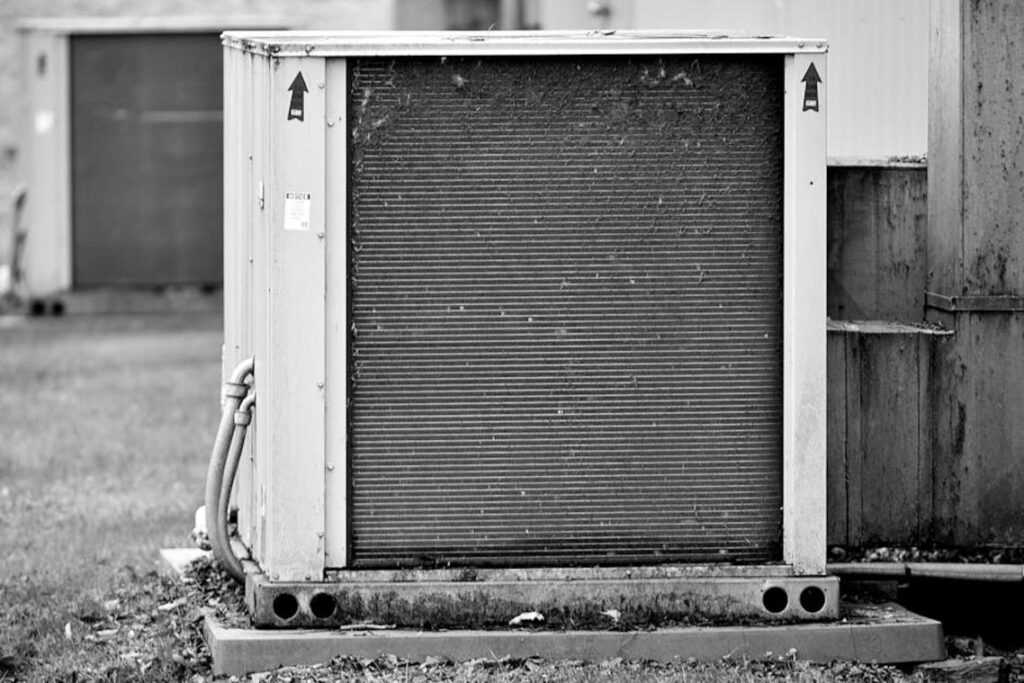
Have you ever wondered why your energy bill creeps up even when your thermostat barely changes? Or why your home feels dusty no matter how often you clean? Often, the culprit is a neglected HVAC filter.
Task 1: Change Your HVAC/Furnace Filter
Your HVAC (Heating, Ventilation, and Air Conditioning) system relies on a filter to trap dust, pollen, and debris. When it clogs, airflow slows, forcing the system to work harder. That means higher energy bills and poorer indoor air quality. According to the U.S. Department of Energy, replacing a dirty filter can lower energy consumption by up to 15%.
Tools Needed:
- New filter (size printed on the old one)
Step-by-Step:
- Locate the filter slot (usually near the return air duct).
- Slide out the old filter and check the airflow arrow.
- Insert the new filter with arrows pointing toward the unit.
- Set a calendar reminder every 1–3 months.
Simple, right? It’s one of those basic diy home repairs that pays off immediately.
Task 2: Clean Dryer Vents to Prevent Fire Hazards
Did you know clogged dryer vents cause thousands of house fires annually (U.S. Fire Administration)?
Tools Needed:
- Screwdriver or nut driver
- Vent cleaning brush kit
- Vacuum
Step-by-Step:
- Disconnect the dryer.
- Use the brush to clear lint from the duct and exterior vent.
- Vacuum remaining debris.
For more routine upkeep, review this seasonal home care checklist for year round comfort.
Task 1: Test and Clean Smoke and Carbon Monoxide Detectors
Safety devices only work if they’re maintained. Grab a step stool, a clean cloth, and compressed air. Press the “Test” button until you hear the alarm. No sound? Replace batteries immediately. Next, gently vacuum or blow air into the vents to clear dust from sensors, then wipe the exterior. Check the manufacture or replacement date on the back; most units last 7–10 years. Set a calendar reminder so you don’t forget.
Task 2: Check Your Fire Extinguisher
Look at the pressure gauge; the needle should sit in the green zone. Inspect for dents, rust, or a cracked hose. Make sure it’s visible and not buried behind cleaning supplies (yes, that happens). Finally, confirm the expiration date. These small checks are foundational to basic diy home repairs and can prevent bigger emergencies. Think of it like a seatbelt for your home.
Quick Fixes for Doors, Windows, and Walls
A few smart tweaks can transform your home in minutes and save you money on service calls. These basic diy home repairs deliver outsized benefits: quieter rooms, lower energy bills, and smoother walls.
1. Silence a Squeaky Door Hinge
Why it matters: That high-pitched squeak can turn a peaceful night into a horror-movie soundtrack (cue the creaking door). Apply household lubricant like WD-40 directly to the hinge pin while swinging the door back and forth. Wipe excess with paper towels to prevent drips. You’ll gain instant quiet and extend hinge life.
2. Seal Air Leaks
Drafty windows waste energy and money. According to the U.S. Department of Energy, air leaks can account for 25–30% of residential heating and cooling use. Identify drafts, clean surfaces, measure, cut self-adhesive weatherstripping, and press firmly into place. The payoff? Lower utility bills and a cozier, more consistent indoor temperature.
3. Patch Small Nail Holes
Tiny wall holes make rooms look unfinished. Spread spackling paste with a putty knife, scrape flat, let dry, then sand smooth. The result is paint-ready walls that boost home value and pride. Pro tip: use fine-grit sandpaper for a seamless finish.
Putting Your New Skills into Action
Now that you’ve worked through the fundamentals, it’s time to translate knowledge into momentum. In simple terms, “home maintenance” just means small, routine actions that prevent bigger, more expensive problems later (think of it as brushing your house’s teeth).
At first, terms like HVAC (heating, ventilation, and air conditioning) or “preventative maintenance” can sound technical. However, they simply refer to systems that keep your home comfortable and the habit of checking things before they fail. When you understand that, basic diy home repairs stop feeling intimidating and start feeling manageable.
You might still worry about making a mistake. That’s normal. Yet most small tasks—like replacing an air filter or tightening loose hinges—are low risk and high reward. In fact, the U.S. Department of Energy notes that replacing a dirty filter can improve efficiency and lower energy use (energy.gov).
So, pick one task today. Take action. Confidence builds through doing, not waiting.
Make Your Home Repairs Simple and Stress-Free
You came here looking for practical ways to handle everyday fixes without the overwhelm — and now you have a clear path forward. From quick troubleshooting steps to smart organization strategies, you’ve seen how small, consistent actions can prevent bigger, more expensive problems down the road.
Ignoring minor issues is what turns a dripping faucet or loose cabinet hinge into a costly repair. The frustration, wasted time, and unexpected expenses add up fast. But with the right approach to basic diy home repairs, you stay in control of your space instead of letting problems control you.
Now it’s time to take action. Start with one small fix today. Walk through your home, spot an issue you’ve been putting off, and handle it using the tips you’ve learned.
If you want even more step-by-step guides, smart organization ideas, and quick-fix hacks trusted by thousands of homeowners, explore our daily resources and tools now. Get the confidence, clarity, and proven solutions you need — and make every repair easier than the last.
 Veyrana Vosswynne is the visionary founder behind Wutaw Help, a platform dedicated to simplifying everyday living through smart, practical solutions. With a passion for efficient home management and modern lifestyles, she created Wutaw Help to deliver daily digests, essential home tips, space organization ideas, and innovative smart home integrations. Her approach blends functionality with ease, empowering readers to optimize their spaces, save time, and handle everyday challenges with confidence through quick, effective solutions.