If you’re searching for practical ways to make your home more functional, organized, and easier to manage every day, you’re in the right place. This guide is designed to help you simplify your routines, maximize your space, and integrate smarter solutions without overwhelming your schedule or budget.
From small space organization ideas to smart home integration tools and quick-fix hacks, we focus on actionable strategies that deliver real results. Whether you’re dealing with cluttered countertops, limited storage, or daily inefficiencies, you’ll find clear, step-by-step insights that are easy to implement right away.
Our content is built on hands-on research, tested home improvement methods, and carefully curated solutions that prioritize practicality over trends. We continuously analyze what works in real homes—across different layouts, lifestyles, and needs—so you can trust that the advice here is both reliable and realistic.
Let’s transform your space into one that works smarter, feels calmer, and supports your everyday life.
The Foundational Principles: Think Vertically & Multipurpose
For more tips on maintaining a clutter-free environment that complements your stylish organization efforts, check out our article on Miprenovate Cleaning Tips From Myinteriorpalace.
When space is tight, you don’t need more square footage. You need smarter strategy. The payoff? More breathing room, less clutter, and a home that feels intentionally designed—not accidentally cramped.
Principle 1: Go Vertical
Your walls are prime real estate. Going vertical means using wall height for storage instead of crowding the floor. Floating shelves, tall narrow bookcases, and wall-mounted grids draw the eye upward, creating the illusion of higher ceilings (yes, visual tricks count). Designers call this “vertical layering”—stacking function upward instead of outward. The benefit is immediate: CLEARER FLOORS and a room that feels twice as open.
Principle 2: Embrace Multipurpose Furniture
Multipurpose furniture serves two or more roles in one footprint. Think storage ottomans, lift-top coffee tables, expandable dining tables, or beds with built-in drawers. You gain hidden storage without adding bulk. That means fewer furniture pieces overall—and more flexibility when life changes (because it will).
Principle 3: The ‘One-In, One-Out’ Rule
For every new item you bring home, one similar item leaves. It’s simple, but powerful. This habit prevents clutter creep and keeps your space balanced. Over time, you’ll notice less stress and easier cleaning.
These small space organization ideas aren’t about restriction. They’re about FREEDOM—more function, less frustration, and a home that works for you.
The High-Traffic Zone: Streamlining Your Kitchen

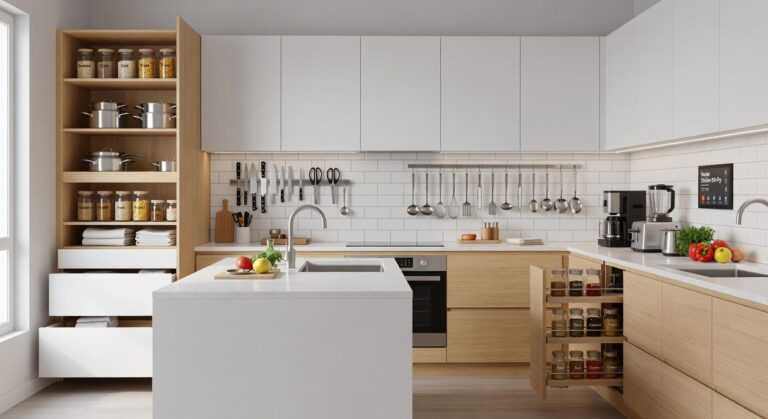
The kitchen isn’t just for cooking—it’s command central (and sometimes a traffic jam at 6 p.m.). If your cabinets feel like a game of Tetris gone wrong, start inside the drawers. Internal organizers are quiet overachievers. Tiered spice racks let you see every label at once (no more buying a third paprika). Pot lid holders mounted on cabinet doors free up entire shelves. Adjustable drawer dividers keep utensils from staging daily rebellions.
Next, look at what you’re not using. Magnetic strips for knives clear bulky blocks off the counter. Under-cabinet hooks turn empty air into mug storage. The space above cabinets? Perfect for rarely used items in decorative baskets—think holiday platters, not your everyday skillet. These small shifts add up, especially if you’re exploring small space organization ideas for tighter layouts.
Pantry strategy is where momentum builds. Decant dry goods into clear, uniform, stackable containers. You’ll instantly see inventory, prevent duplicates, and maximize vertical space. According to home organization studies by the National Association of Productivity & Organizing Professionals, visibility directly reduces overbuying and food waste. Keep countertops clear by assigning every appliance a “home.” If it doesn’t earn daily use, it doesn’t stay out.
What’s next? Maintenance. Set a 10-minute weekly reset to return stray items. Consider labeling zones so everyone in the house knows where things belong. And if clutter creeps back, ask yourself: does this item deserve prime real estate? (Be ruthless.) The goal isn’t perfection—it’s flow.
The Living Area: Creating Calm from Chaos
A chaotic living room often isn’t about size—it’s about layout. First, try “floating” furniture, which means pulling sofas and chairs a few inches away from the walls instead of lining them up flat against them. Surprisingly, this creates the illusion of more space by improving traffic flow and sightlines. Pair this with area rugs to define zones—one for lounging, another for reading—so the room feels intentional rather than cluttered.
Next, conceal the cords. Visible cables increase visual noise (and stress, if we’re honest). Simple tools make a measurable difference:
- Cord boxes to hide power strips
- Adhesive clips along the back edges of furniture
- Zip ties to bundle excess length neatly
These features reduce tripping hazards while giving your setup a streamlined, built-in look.
Finally, be strategic with decor. Mirrors reflect both natural and artificial light, making a room feel deeper and brighter. Meanwhile, a limited color palette—two to three complementary tones—creates cohesion and prevents sensory overload. If you’re exploring more small space organization ideas, principles from closet organization systems what works best for different needs can also guide how you zone and simplify living areas.
With thoughtful adjustments, calm replaces chaos—no renovation required.
The Personal Sanctuary: Optimizing the Bedroom & Closet
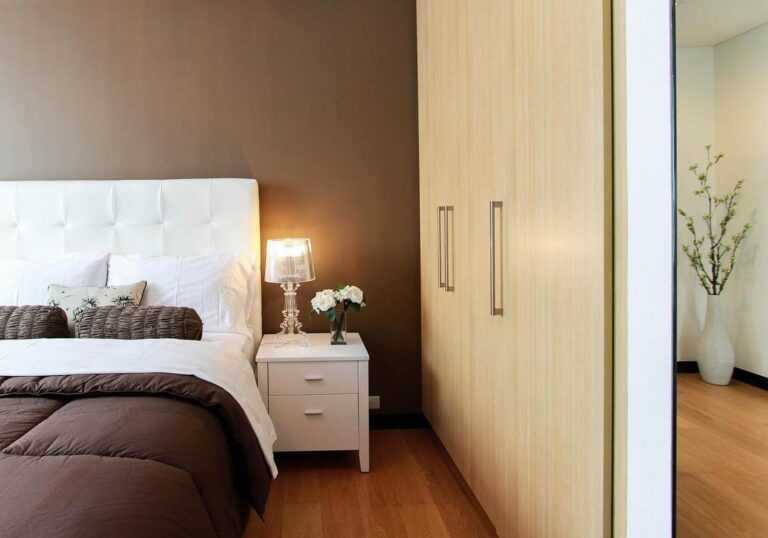
Your bedroom should recharge you, not remind you of unfinished chores. First, claim the overlooked square footage under your bed. This prime real estate works beautifully for off-season clothing, extra linens, and shoes. Vacuum-sealed bags compress bulky sweaters, while rolling containers glide out easily. The payoff? More closet breathing room and zero visual clutter.
Next, rethink your closet mechanics. Switching to slim, velvet hangers can instantly free up rod space because they eliminate bulky plastic gaps. Add a second tension rod beneath the first to double hanging capacity for shirts and pants. Suddenly, mornings move faster and outfits stay wrinkle-free.
Finally, edit your nightstand. Choose drawers instead of open shelving to hide cords and odds and ends. Even better, mount a wall light to free the surface entirely. These small space organization ideas deliver calmer nights and smoother starts every single day.
Make Your Space Work Smarter Starting Today
You came here looking for practical ways to take control of your space without expensive renovations or overwhelming changes. Now you have the strategies to simplify your home, reduce clutter, and implement small space organization ideas that actually make daily life easier.
The frustration of cramped rooms, wasted corners, and constant mess doesn’t have to be your normal. With the right systems, even the smallest areas can feel functional, calm, and intentionally designed. A few smart adjustments can completely shift how your home looks and feels.
Now it’s time to act. Choose one area—just one—and apply what you’ve learned today. Clear it, organize it, and optimize it using smart layouts and integrated tools that save space and time.
If clutter keeps creeping back or you’re tired of spaces that don’t work for your lifestyle, we’re here to help. Our proven tips, daily solutions, and smart home strategies are trusted by readers who want fast, realistic results. Start implementing these ideas now and transform your space into something that finally works for you.
 Kimberly Coopericker is a dedicated contributor at Wutaw Help, known for her practical approach to everyday home living. She specializes in creating easy-to-follow guides that simplify organization, decluttering, and efficient space management. With a keen eye for detail and functionality, Kimberly helps readers transform their homes into more structured, stress-free environments through smart, achievable solutions.