
Staying on top of your home’s upkeep can feel overwhelming—especially when small issues quietly turn into expensive repairs. If you’re searching for a clear, reliable way to stay organized and protect your investment, this guide delivers exactly that. We’ve created a practical, easy-to-follow home maintenance checklist designed to help you prevent problems before they start, save money on costly fixes, and keep your space running smoothly year-round.
This article breaks down what to inspect, when to do it, and why it matters—so you’re never left guessing. From seasonal tasks to quick monthly check-ins, everything is structured to fit into real-life schedules.
To ensure accuracy and usefulness, we reviewed industry best practices, contractor recommendations, and long-term property care standards. The result is a streamlined checklist you can trust to simplify upkeep, reduce stress, and keep your home safe, efficient, and well-maintained throughout the year.
A Proactive Approach to Home Maintenance
By mastering these 10 essential home maintenance tasks, you’ll not only keep your living space in top shape but also free up time for important personal routines, like creating a productive morning ritual that sets the tone for your day – for more details, check out our How to Build a Productive Morning Routine That Sets the Tone for the Day.
Small leaks, hairline cracks, and dusty vents don’t look urgent—until they are. The average water damage claim exceeds $11,000 (Insurance Information Institute), and most start with minor issues. A structured home maintenance checklist turns chaos into control by organizing tasks into manageable timelines.
Monthly
- Test smoke and CO detectors (fresh batteries, safer nights)
- Inspect under sinks for slow leaks
Seasonal
- Clean gutters to prevent foundation damage
- Service HVAC for efficiency and lower energy bills
Annual
- Roof inspection to catch shingle wear early
Break it down, schedule it, and your home rewards you with fewer surprises (and fewer weekend emergencies).
Your Monthly Home Maintenance Rhythm: The Non-Negotiables
Consistency beats crisis management every time. A simple home maintenance checklist, done monthly, can prevent costly repairs and even save lives.
- Inspect and Replace HVAC Filters: The U.S. Department of Energy reports that replacing a dirty filter can lower an air conditioner’s energy consumption by 5–15%. In other words, that thin sheet of fiberglass directly impacts your utility bill (and your lungs).
- Test Smoke and Carbon Monoxide Detectors: The National Fire Protection Association (NFPA) notes that working smoke alarms cut the risk of dying in a home fire by more than 50%. Press the test button. If it chirps weakly, swap the batteries.
- Clean Garbage Disposal: Grinding ice cubes sharpens residue off blades, while citrus peels neutralize odors. It’s simple chemistry—cold contracts grease, making buildup easier to dislodge.
- Check for Leaks: Even a small drip can waste nearly 3,000 gallons per year, according to the EPA. Look under sinks and around toilets for warping or moisture.
- Inspect Fire Extinguishers: Ensure the gauge reads “charged” and access is unobstructed. Seconds matter in emergencies.
- Clean Range Hood Filters: The NFPA links cooking to nearly half of reported home fires; degreasing filters improves airflow and reduces ignition risk.
In short, small monthly actions create measurable safety and savings over time.
Seasonal Deep Dive: Spring & Summer Refresh
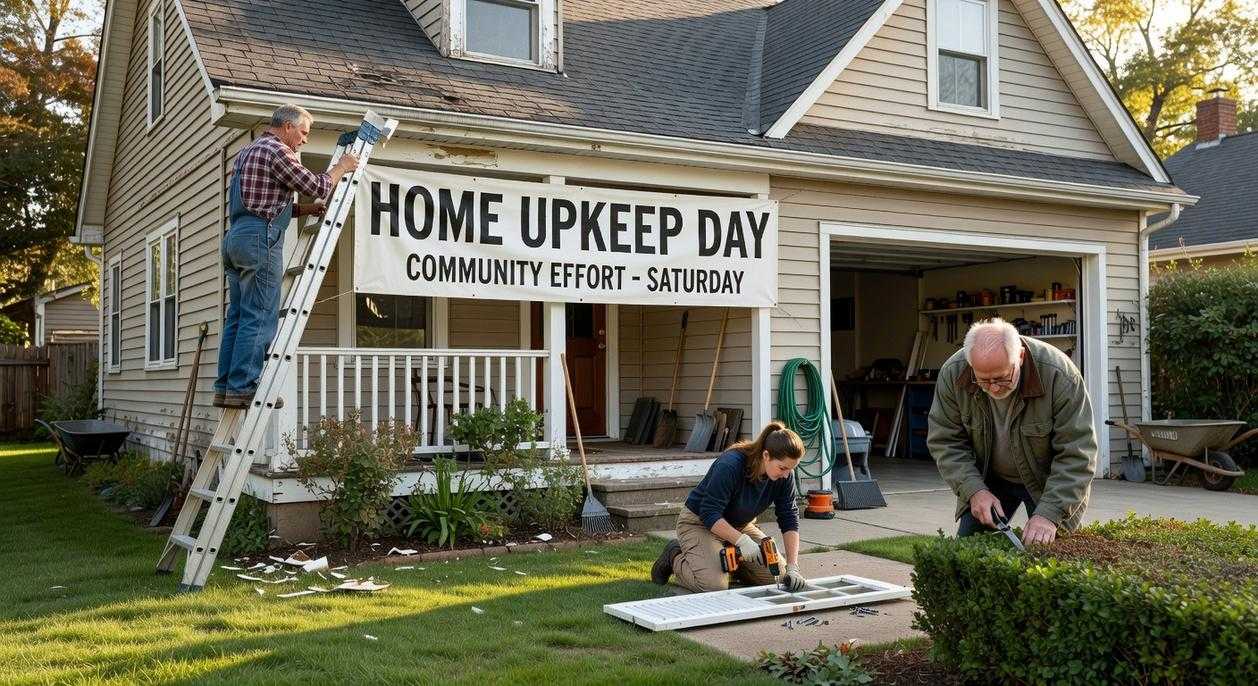
When winter finally loosens its icy grip, your home practically sighs in relief (and maybe creaks a little, too). Spring and summer are prime time for a thorough reset that protects and preserves.
Spring Upkeep (March–May)
Start with gutters and downspouts. Scoop out soggy leaves and gritty debris so rainwater can rush freely instead of spilling over the edges like an overfilled bucket. Clogged gutters can lead to water damage—costing homeowners thousands annually, according to the Insurance Information Institute.
Next, inspect your roof from a safe vantage point. Look for curled, cracked, or missing shingles—those uneven patches that break the roof’s neat pattern. Even small gaps can invite leaks during heavy rain.
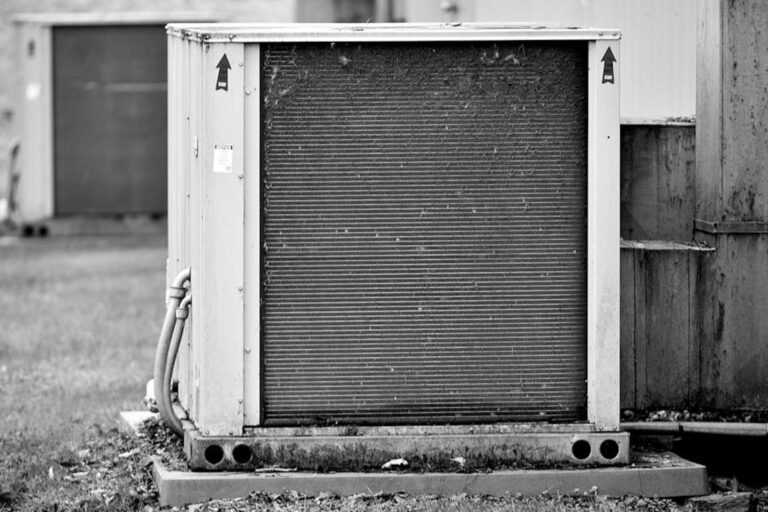
Schedule AC servicing before the first humid heatwave hums through your vents. A professional tune-up keeps air flowing crisp and cool while improving efficiency (Energy.gov notes regular maintenance can lower energy use).
Check that soil slopes away from your foundation. You want rainwater drifting outward, not pooling like a stubborn puddle.
Finally, repair torn window screens so you can enjoy that soft spring breeze—minus the buzzing intruders.
Summer Upkeep (June–August)
Under the bright sun, inspect decks and patios. Feel for splintered boards, spot cracks, and reseal surfaces to keep wood smooth and sturdy.
Scan your home’s perimeter for pests—tiny mud tubes or sawdust trails can signal termites.
Clean the dryer vent and exhaust duct; lint buildup is a serious fire hazard, according to the U.S. Fire Administration.
Test your sump pump by pouring water into the pit and listening for the steady whir of activation before summer storms roll in.
Keep this home maintenance checklist handy, and your house will look, sound, and feel ready for whatever the season brings.
Prepping for Colder Weather: Fall & Winter Upkeep
As temperatures drop, small maintenance tasks make a big difference. Think of this as your seasonal reset button for the house (before winter decides to stress-test everything at once).
Fall Upkeep (September–November)
Schedule Furnace Inspection: Your furnace is the system that heats your home by distributing warm air. A professional inspection ensures it’s operating safely and efficiently. According to the U.S. Department of Energy, regular HVAC maintenance can improve efficiency and reduce energy costs.
Inspect Chimney and Fireplace: Creosote—a flammable residue from burned wood—can build up inside chimneys. A certified cleaning reduces fire risk and improves airflow.
Drain and Store Hoses: Water expands when it freezes. If hoses stay connected, trapped water can freeze and crack pipes. Shut off exterior spigots and store hoses indoors.
Check Weatherstripping and Caulking: Weatherstripping seals movable parts like doors; caulk seals fixed gaps around windows. Replacing worn seals prevents drafts and lowers heating bills (your future self will thank you).
Rake Leaves: Thick leaf cover blocks sunlight and traps moisture, which can suffocate grass and invite pests.
Winter Upkeep (December–February)
Insulate Exposed Pipes: Foam pipe insulation slows heat loss and helps prevent freezing in unheated spaces.
Monitor for Ice Dams: Ice dams form when melting snow refreezes at roof edges, forcing water under shingles. Check after heavy snowfalls.
Clean Humidifier: Regular cleaning prevents mold and bacteria buildup, improving indoor air quality.
Restock Winter Supplies: Keep salt, shovels, and snow blowers ready.
For ongoing organization, revisit how to create a weekly cleaning schedule that actually works to keep your home maintenance checklist on track all season long.
Flush the water heater: Removing sediment improves efficiency and can extend lifespan by up to 30%, according to the U.S. Department of Energy. Next, deep clean carpets and upholstery; studies from the EPA show indoor air can be two to five times more polluted than outdoor air. Then, inspect the attic and basement for moisture, pests, or mold, since unchecked leaks cause billions in annual property damage. Afterward, test GFCI outlets and reset stubborn breakers to reduce fire risk. Finally, review insurance coverage after renovations. Add this to your home maintenance checklist to stay protected year-round. And avoid costly surprises.
From Checklist to Habit: Making Maintenance Effortless
You’ve got the plan. You’ve got the tools. And yet somehow, the leaky faucet waits until 10 p.m. to remind you it exists. Why does home stuff always break at the worst time?
That’s the real frustration—constantly reacting instead of preventing.
A simple home maintenance checklist shifts you out of crisis mode. Small, scheduled tasks protect your home’s safety, value, and comfort (and your sanity). When these actions live on your calendar, they stop feeling optional and start feeling automatic.
Start by scheduling this month’s tasks. One step. One date. One less emergency. If you need structure, try this monthly guide.
Stay Ahead of Costly Home Repairs
You came here looking for a simple way to stay on top of your home’s upkeep without feeling overwhelmed. Now you have a clear path forward — and a practical home maintenance checklist to keep everything running smoothly.
Ignoring small issues is what turns minor fixes into expensive repairs. A forgotten filter, a hidden leak, or a neglected gutter can quickly become a major headache. Staying proactive isn’t just smart — it protects your time, your money, and your peace of mind.
Take action today. Start using your home maintenance checklist, schedule your next quick inspection, and tackle one small task right away. If you want even more easy-to-follow home tips, smart organization ideas, and quick-fix hacks trusted by thousands of homeowners, explore our latest guides now and make home care simpler than ever.
 Clarencev Castillopirnoval brings a modern and tech-savvy perspective to Wutaw Help, focusing on smart home integration and innovative living solutions. His content blends technology with convenience, offering readers insights into optimizing their daily routines with digital tools and automation. Clarencev is passionate about helping individuals create smarter, more connected homes that enhance comfort and efficiency.