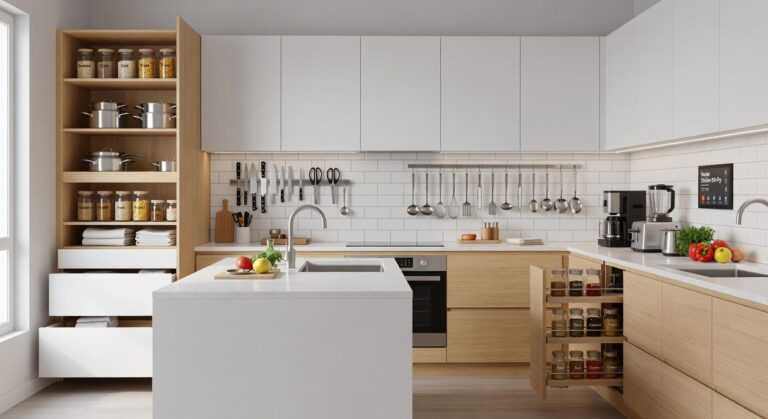

You’re standing in your kitchen right now.
Half the cabinets are gone. Dust is everywhere. And you’ve got three browser tabs open.
Each saying something different about how to tile a backsplash.
I’ve been there. More than once.
I’ve managed over 200 residential renovations. From studio apartments to historic homes. From $15k bathroom refreshes to full-house gut jobs.
And I’ve watched too many people waste time, money, and sanity on advice that sounds smart but falls apart on site.
Most Renovation Tips Miprenovate you find online are written by people who’ve never held a level (or) worse, by companies trying to sell you something.
They ignore your timeline. Your skill level. Whether you’ll even be living here in five years.
This isn’t theory. This is what works when the demo dust settles.
I’m giving you step-by-step home improvement advice. Not contractor upsells or influencer mood boards.
Just clear decisions. Real trade-offs. What to do first.
What to skip.
No fluff. No jargon. No “just hire a pro” cop-outs.
You’ll finish this knowing exactly what to tackle next. And why it matters for your wallet, your time, and your sanity.
Start Here: The 3-Question Filter That Saves Time, Money
I use this filter on every renovation decision. Every. Single.
One.
Does this project increase safety? Improve daily function? Or boost long-term value?
That’s it. No fluff. No Pinterest mood boards yet.
I learned this the hard way. Retiling a kitchen backsplash while ignoring a flickering outlet behind it. (Spoiler: the outlet shorted two weeks later.)
Safety always wins. If it’s not safe, nothing else matters. Full stop.
Function comes next. Can you cook without tripping over wires? Does the shower drain properly?
Or are you just chasing pretty?
Long-term value is last. But don’t skip it. Buyers care about panels, insulation, and roof age.
Not your custom wine rack.
If two or more questions get a yes? Go ahead. Only one?
Delay it. Or kill it outright.
Replacing an outdated electrical panel hits safety and value. Smart lighting just for voice control? Function only.
Not worth it.
Skipping this filter means you’ll waste $4,200 on quartz countertops while your HVAC gas line leaks. (Yes, that happened to my neighbor.)
Miprenovate taught me this early (and) saved me from three bad decisions in six months.
Renovation Tips Miprenovate aren’t magic. They’re just honest questions asked before the first demo.
Ask them before you open Instagram.
Not after.
You’ll thank yourself later.
The Hidden Priority Order: Fix Foundations First
I used to think new cabinets made a house feel done.
Then I watched a client’s $12k kitchen get ruined by basement moisture they ignored for two years.
Roofing comes first. Always. If water gets in, nothing else matters.
Not your fancy tile. Not your smart thermostat. Not even your drywall.
Next: HVAC. Then plumbing. Then electrical.
Then insulation. Then windows and doors. Then finishes.
That order isn’t negotiable. It’s physics.
Upgrading cabinets before fixing moisture infiltration? That’s like buying new shoes while standing in a puddle. You’ll replace them again.
And again.
Here’s the math: A vapor barrier install costs about $1,200. Mold remediation averages $8,300 (and) that’s before replacing soaked subfloor or framing. (Yes, I checked the 2023 NAHB repair cost survey.)
Ask yourself: Do lights dim when the AC kicks on? That’s an electrical load issue. Not a bulb problem.
Are there musty smells near baseboards? That’s plumbing or foundation moisture (not) bad cleaning.
Renovation Tips Miprenovate starts here. Not with paint swatches or drawer pulls.
Small fixes now stop big bills later. Every time. No exceptions.
Skip insulation to save $500? You’ll pay it back in energy bills every single month. And yes.
This holds whether you’re spending $5k or $500k.
Foundations don’t care about your budget.
They only care if you paid attention.
DIY vs. Pro: Where the Line Actually Is

I’ve watched too many people get hurt trying to “save a few bucks.”
Gas lines. Structural framing. Live electrical panels.
These aren’t DIY zones. They’re licensed and permitted only. No exceptions.
You don’t get a pass because YouTube said it was easy.
Painting? Safe to try. Flooring install?
Usually fine if you read the instructions twice. Tile? Requires prep and verification.
I wrote more about this in Cleaning Hacks.
Check your grout line spacing, test your thinset adhesion, verify your subfloor is level. Drywall patching? Same rules.
Don’t just mud and pray.
Anything behind walls or floors? Hire a verified pro. Anything tied to inspections?
Same answer. Your city inspector won’t care how clean your caulk job looks if the wiring’s wrong.
Local codes vary wildly. Check your municipal website. Most post free inspection checklists (just) search “[your city] building department checklist”.
I knew someone who rewired an outlet without flipping the main breaker. Got zapped hard. Insurance denied the claim (because) he skipped the permit.
Time and cost tradeoffs are real. DIY paint job: 16 hours, $200 in materials. Pro: $1,100, done in 2 days, warranty included.
Need quick wins before the big stuff? Try Cleaning Hacks Miprenovate. It’s not glamorous.
But it saves hours.
Renovation Tips Miprenovate? Start there. Then decide what stays in your hands.
And what doesn’t.
Budget Realism: The 60/20/20 Rule That Actually Works
I used to believe my renovation budget was flexible.
It wasn’t.
Here’s what I learned the hard way: 60/20/20. Sixty percent for labor and core systems. Plumbing, electrical, framing.
Twenty percent for materials. With ten percent of that already baked in as a buffer. Twenty it pure contingency.
Not “maybe” money. Real money for real unknowns.
Seventy-three percent of renovations blow past their original budget when that last 20% is cut. (Source: National Association of Home Builders)
You think your bathroom remodel is $150/sq ft? It’s $120 if you’re swapping fixtures on the same layout. It’s $250 if you’re moving walls and upgrading tile.
Showroom prices lie. Contractors get bulk discounts. Ask for their vendor pricing (not) the display room sticker.
Before you sign any quote, verify these five line items: permits, disposal fees, change-order policy, payment schedule, and who buys the nails.
Renovation Tips Miprenovate means planning like you’ll find surprises (and) you will. That’s why I always check the contingency line first. If it’s missing?
Walk away.
Interior Decoration Miprenovate has real examples of how this plays out in living rooms and kitchens. Not just theory.
Launch Your Smarter Renovation Today
I’ve seen too many people overspend, overthink, or walk away from renovations entirely.
Renovation Tips Miprenovate cuts the noise. It’s not theory. It’s what works when you’re holding a tape measure and staring at a leaky faucet.
The 3-question filter stops you before you scroll too far. Foundational priority order tells you what actually comes first. DIY/pro thresholds keep you safe and sane.
Realistic budget allocation? Yeah (it) respects your bank account.
You don’t need another glossy checklist. You need clarity. Right now.
Download or screenshot the 3-question filter. Use it before you call a contractor or click “add to cart.”
Your home doesn’t need perfection. It needs thoughtful, intentional progress.
 Kimberly Coopericker is a dedicated contributor at Wutaw Help, known for her practical approach to everyday home living. She specializes in creating easy-to-follow guides that simplify organization, decluttering, and efficient space management. With a keen eye for detail and functionality, Kimberly helps readers transform their homes into more structured, stress-free environments through smart, achievable solutions.