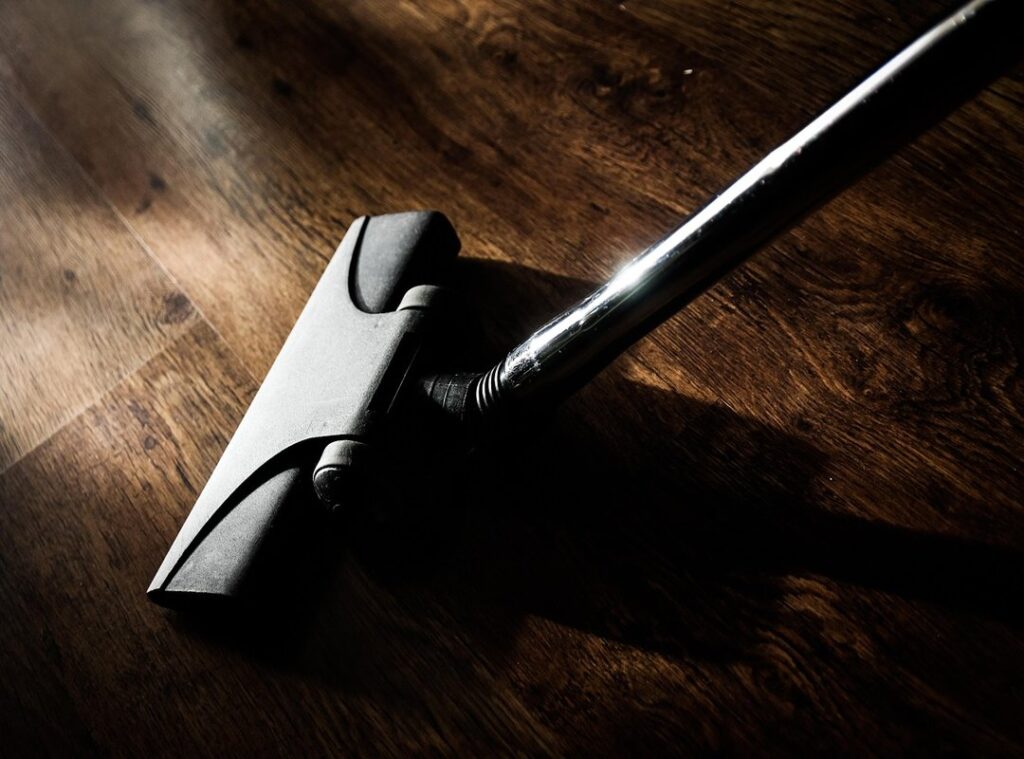
Your vacuum sounds like it’s sucking mud.
It’s not. It’s just clogged.
You cleaned the bin last week. You even checked the filter. But suction’s still weak.
And that weird smell? Yeah. That’s not normal.
I’ve tested over thirty vacuums. Bagged. Bagless.
Corded. Cordless. Every type.
Every brand.
And every single time, performance dropped. Not because the motor died, but because nobody cleaned it right.
Most people think “vacuum maintenance” means emptying the bin and calling it a day.
It’s not.
That’s why this guide exists. Not theory. Not guesswork.
Just what works.
How to Clean a Vacuum Cleaner Livpristwash (step) by step. No skipped parts. No “just do what feels right.”
I’ll show you where dust hides (it’s not just the bin). When to wash vs. replace. How often is actually enough.
You’ll learn what kills suction fast. And how to fix it in under ten minutes.
This isn’t about making your vacuum last longer.
It’s about making it work now.
No more guessing.
No more buying a new one next month.
Just clear steps. Real results.
Unplug First. Always.
I unplug my vacuum before I even look at it. Even the cordless ones. I take the battery out.
You think you’re safe with a dead battery? Try pressing the power button by accident while cleaning the filter. (It happens.)
For bagless models: hold the dust bin at a 45-degree angle over the trash can. Press the latch all the way down. Don’t just tap it.
If you don’t, you’ll get a puff of dust right in your face. Not fun. Not clean.
Bagged vacuums? Don’t wait until it looks full. Check the fill line.
Replace the bag before it hits ¾ capacity. That’s when airflow drops. And your motor starts working harder than it should.
I found this out the hard way. My vacuum sounded like it was chewing gravel. Turns out the bag was just over the line.
Tap the filter housing gently after emptying. Debris hides in the corners. A light tap shakes loose what your fingers miss.
Never use compressed air on paper bags. They tear. They leak.
They fail. Wipe them dry with microfiber. Nothing else.
If you want real help with this exact process (including) visual guides and model-specific tips (check) out the Livpristwash cleaning guide.
How to Clean a Vacuum Cleaner Livpristwash isn’t magic. It’s muscle memory. And doing it right the first time.
Step 2: Washable Filters (Foam,) Cloth, and HEPA Truths
I wash filters. Not because I love it. Because skipping it kills suction.
Most pre-motor foam and cloth filters are washable. True sealed HEPA filters? Not washable.
Ever. They’re post-motor. They trap fine dust.
Water ruins them.
Just rinse until the water runs clear.
Rinse foam or cloth filters under cool running water only. No soap. No scrubbing.
Shake off excess water. Then lay them flat to air-dry for at least 24 hours. Never reinstall damp.
That’s how motors overheat. That’s how mold starts.
Why does this matter? Clogged filters cause about 70% of suction loss. Think about breathing through a wet napkin.
That’s your vacuum trying to pull air through gunked-up pores.
Some models break the rules. Dyson V11’s cyclone filter? Dry brush only.
Miele’s AirClean bags? The filter’s built-in. Don’t yank it out.
If suction bounces back for five minutes then dies again (you) didn’t fix the real problem. Check the secondary filter. Or the exhaust vent.
It’s probably clogged with hair and lint.
How to Clean a Vacuum Cleaner Livpristwash isn’t magic. It’s just doing the basics right. Every time.
I’ve cleaned vacuums for ten years. Seen every mistake. Skipping this step is the #1 reason people buy new ones too soon.
You don’t need more power. You need clean airflow.
That’s it.
Brush Roll Rescue: No Tools Needed
I’ve yanked hair off a hundred brush rolls.
Most people start at the wrong end.
Remove the soleplate first. Not the top housing. Not the dustbin.
The bottom cover. If you don’t, you’ll fight the vacuum instead of fixing it.
Grab scissors with blunt tips. Not box cutters. Not utility knives.
Blunt-tip scissors. Cut vertically along the roller (just) enough to sever the hair wrap. Then peel in small sections.
Never pull horizontally. That rips bristles. I’ve seen it happen.
You’ll get uneven suction and weird carpet streaks.
Check both ends of the roller. Hair hides there. So does dried gunk.
If the end caps feel stiff, add one drop of silicone-based lubricant. Not WD-40. That stuff dries out plastic and attracts dust.
A bent or warped brush roll? Don’t run it. Even a tiny warp causes vibration, strains the motor, and shreds carpet fibers over time.
Here’s my pro tip: slide on a rubber glove before peeling. It grips way better than bare fingers. You’ll get more hair off in half the time.
This is part of How to Clean a Vacuum Cleaner Livpristwash (but) it’s not just about cleaning. It’s about keeping things working right. Same idea applies when you’re figuring out how to wash laminate floors Livpristwash.
Gentle. Precise. No shortcuts.
Step 4: Hose Patrol (Find) It, Fish It, Fix It
I detach the hose all the way. Every time. Not halfway.
Not “good enough.” All the way.
Then I shine my phone flashlight down the tube. You’ll see it. Grime built up right at the elbow bends.
Or where the wand clicks in. That’s where stuff gets stuck. (It’s always there.)
Grab a wire coat hanger. Straighten it. Bend a tiny hook at one end.
Gently poke and twist (not) jam or shove. If you push debris deeper, you’ll spend twice as long digging it out later.
Test suction like this: hand over the hose opening while the vacuum runs. Weak suction there? Clog is upstream.
In the hose or dust cup. Strong there but weak at the floorhead? Brush roll or head inlet is blocked.
Don’t forget the sneaky spots. Dust cup inlet ports get gunked. Dyson cyclone gaps collect hair like lint traps.
Exhaust grilles behind the motor housing? Clogged with dust bunnies nobody sees.
A cracked or stretched hose? Tape won’t cut it. Glue won’t help.
This is how to Clean a Vacuum Cleaner Livpristwash without guessing.
Air leaks ruin suction. Replace it.
Weak suction isn’t mysterious. It’s physics. And usually just a hairball in the wrong place.
You’ve got the hanger. You’ve got the light. Now go look.
Step 5: Click. Seal. Repeat.
I reassemble in this order every time: filter → dust bin → brush roll → soleplate → hose → attachments. Skip one? Suction stays weak.
No exceptions.
You must hear each latch click. And you must check that every seal. Especially the bin gasket.
Sits flush. Dirt trapped there = air leaks = wasted power (and louder whining).
Here’s what I do:
Every 2 weeks: empty the bin + wipe the gasket with a dry cloth.
Every 3 months: deep-clean filters and inspect the brush roll for hair tangles.
Consistent upkeep adds 3. 5 years to your vacuum’s life. Reactive cleaning only? You’re replacing it early.
Pro tip: Keep a vacuum care kit next to the machine. Microfiber cloths. Blunt-tip scissors.
A flashlight. A small brush. No hunting.
Just grab and go.
How to Clean a Vacuum Cleaner Livpristwash starts with knowing when to stop (and) when to dig deeper.
That’s why I follow the Livpristwash Washing Guide by Livingpristine for anything beyond basic maintenance.
Your Vacuum Can Suck Again
I’ve seen it a hundred times. That weak, wheezy sound. The carpet hair clinging like it owns the place.
You think it’s done.
It’s not.
Diminished suction isn’t fate. It’s dust in the wrong spot. A filter left damp.
A hose with one hidden clog.
You now know the five steps. Skip one (and) you’re back here next month. (Yes, even the drying part.
Wet filters kill airflow. Every time.)
How to Clean a Vacuum Cleaner Livpristwash is not magic. It’s maintenance. Done right.
Done fully.
So pick one step. Right now. Empty the bin.
Rinse the filter. Wipe the brush roll. Do it within the next hour.
Then open your calendar. Set a reminder for 30 days out. Full cleaning.
No exceptions.
Your vacuum isn’t failing. You just haven’t given it the care it needs to perform like new.
Go fix it.
 Kimberly Coopericker is a dedicated contributor at Wutaw Help, known for her practical approach to everyday home living. She specializes in creating easy-to-follow guides that simplify organization, decluttering, and efficient space management. With a keen eye for detail and functionality, Kimberly helps readers transform their homes into more structured, stress-free environments through smart, achievable solutions.