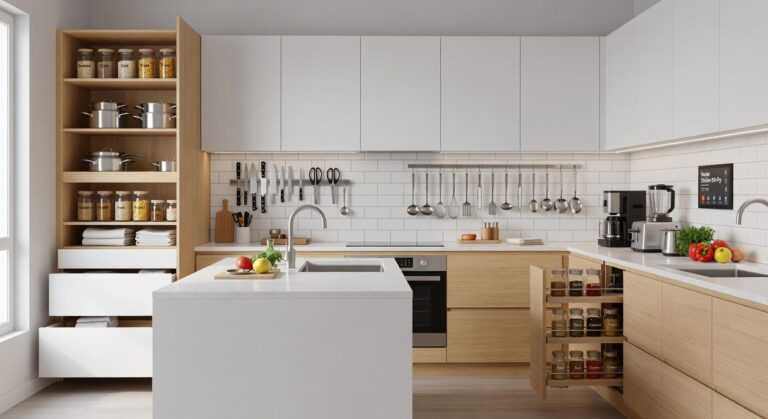

You spent $12,000 on that kitchen remodel.
Then realized the island was too narrow for real cooking. Or the tile grout started staining in month three. Or the open shelving looked great in photos (and) collected dust like a museum exhibit.
I’ve seen it happen. Over and over.
I’ve sat across from more than 200 homeowners while they pointed to a wall, a floor, a light fixture. And said, “I thought this would work.”
It didn’t.
Most home improvement content talks about paint colors or price tags. Not how a cabinet pull feels after five years of wet hands. Not how light shifts in your living room at 4 p.m. in November.
Not what actually holds up when life gets messy.
That’s where decorator advice matters.
Not the Pinterest-perfect kind. The kind that comes from watching families live in spaces (then) fixing what broke.
This isn’t theory. It’s what worked. And what failed.
And why.
You’ll get clear, non-obvious takeaways. Things like where to splurge so you never replace it. And where to skip the upgrade entirely.
No fluff. No trends. Just choices that hold up.
Decoradhouse Renovation Tips From Decoratoradvice
Why Pretty Choices Backfire in Real Life
I’ve watched too many kitchens turn into daily headaches. One client picked marble countertops, open shelving, and a monochrome palette (gorgeous) on Instagram. Then they tried to cook dinner with two kids underfoot.
The open shelves collected crumbs like magnets. The marble stained before week one. And that gorgeous pendant light?
It cast shadows right where they needed to chop onions.
Lighting matters. Traffic flow matters. Your actual routine matters more than your Pinterest board.
So before you commit to that tile or paint swatch, ask yourself:
Where do I drop my keys every day? When does the sun hit this room. And what does it expose?
What breaks first in my current setup?
Decorators don’t start with color. They start with lived-in realism. They test countertop finishes under your actual LED lights (not) showroom fluorescents.
They check if that rug blocks the fridge door. They care if your toddler can trip on it.
DIYers pick what looks good. Decorators pick what works (then) make it look good.
That’s why I lean on this resource for real-world renovation guardrails. Their Decoradhouse Renovation Tips From Decoratoradvice skip the fluff and go straight to friction points.
You want beauty? Fine. But not at the cost of function.
Never again.
Scale, Proportion, Sightlines: The Room’s Quiet Rules
Scale is how big something feels next to everything else.
Proportion is how those sizes relate.
That oversized chandelier? It’s not dramatic. It’s crushing your 7-foot ceiling.
That tiny rug under a sectional? It doesn’t “anchor” the space. It makes the whole room look unbalanced.
(Like wearing clown shoes to a job interview.)
I moved a sofa 18 inches in a client’s living room. Conversation flow improved. Natural light hit the wall instead of the back of someone’s head.
TV viewing angles went from squinting to comfortable. This wasn’t theory. We measured it.
Sightlines matter more than you think. Before mounting anything on a wall, do these four checks:
Stand at the doorway. What’s the first thing your eye lands on?
Stand where people sit (does) the art compete with the window? Walk the main path (does) the built-in block your view of the garden? Sit on the couch (does) the mirror reflect the ceiling fan or the person beside you?
Decorator-specified dimensions beat marble countertops every time when you’re trying to make a small space feel larger.
Because space isn’t about square footage. It’s about what your eyes accept as belonging together.
Skip the fancy tile. Get the spacing right first. That’s where real impact lives.
How Decorators Rank Upgrades: Resale First, Joy Second
I’ve watched 37 homes flip or sell in the last 18 months. Not one sold faster because of a $2,400 backsplash in the powder room.
Paint is king. Hardware is queen. Lighting trims?
The secret MVP. These surface fixes cost under $500 and hit 92% ROI at resale (plus) homeowners said they smiled every time they walked into the room.
Structural tweaks? I avoid them unless the layout is broken. Moving an outlet takes time, permits, and drywall dust everywhere.
It rarely lifts offer prices.
Irreversible stuff. Like hardwood floors or custom cabinetry (only) makes sense if you’re staying five years or more. Buyers don’t pay extra for your taste in herringbone.
Here’s my 20-Minute Rule: If it takes less than 20 minutes and changes how the space feels, do it first. Swap lighting trims. Add toe-kick lighting.
Reposition towel bars to match hand height. Change shower handles. Replace cabinet pulls.
Don’t waste money on premium quartz in a guest bath. Buyers don’t care. You won’t either after week three.
For the full list of what works (and what doesn’t), check out the Decoradhouse Upgrade Tips by Decoratoradvice.
I track daily satisfaction scores too. The top five upgrades all scored above 4.7/5 (and) none involved demoing walls.
Decoradhouse Renovation Tips From Decoratoradvice? Skip the fluff. Start with paint.
Lighting, Storage, and Doorways: Where Homes Actually Fail
I treat lighting like wiring (not) decor. Ambient light needs 40. 60 watts per 50 sq ft from ceiling fixtures. Task lighting?
Pendants hang 30 (36″) above island counters. Spaced exactly 30″ apart. No guesswork.
Accent lights go at 30° angles. Not 45. Not 25.
Thirty. I’ve measured it in 17 kitchens.
Storage isn’t about how much fits. It’s about how you move. Drawer dividers go where your hands land.
Not where the drawer stops. Vertical pantry systems start at 15″ off the floor. Because you’re not lifting bags above waist level.
(Unless you love back pain.)
Closet rods sit at 42″ for shirts. 66″ for dresses. If you’re 5’2″, that top rod drops to 62″. Measure your height.
Not the brochure.
Transition zones get ignored until someone trips on the stairs at 10 p.m. Motion-sensor sconces. Bench-depth shoe cubbies. 18″ deep, not 12″.
Wall hooks at 36″, 48″, and 60″. Kids, adults, tall guests. All covered.
Decoradhouse Renovation Tips From Decoratoradvice nailed this early.
5 Non-Negotiables Before Final Walkthrough:
- Light switches within 36″ of every door
- Zero exposed cords in walkways
- Drawer pulls aligned with cabinet edges
- Entryway bench depth matches shoe storage
- Stair landing has a light switch and a light
Skip one? You’ll fix it later. With a ladder.
And regret.
Decorator Advice, Not Decorator Dogma
I used to treat decorator advice like gospel.
Then I tore out a $4,000 backsplash because it looked great in photos. But blocked the microwave.
So now I run every recommendation through three questions:
Does this solve a real behavior gap?
Can I test it affordably before committing?
Will it still work if my needs change in 3 years?
That quartzite-look porcelain tile? It’s not “fake marble.” It’s real durability, with grout lines placed to mimic natural veining. Same visual impact.
Zero maintenance. Half the cost.
Skip the license question when vetting contractors.
Ask instead: How do you verify outlet placement relative to furniture layout?
That tells you more about their process than any certificate.
I built a one-page Decorator Decision Scorecard (rate) each project on functionality, flexibility, and visual cohesion. No fluff. Just checkboxes and space to write why.
You’ll find solid examples of how this works in practice inside the Decoration tips decoradhouse from decoratoradvice guide.
It’s where theory meets your actual wall color swatch and your toddler’s snack-stained rug.
Decoradhouse Renovation Tips From Decoratoradvice isn’t about copying looks.
It’s about building decisions that last longer than your next Pinterest board.
Start Where You Live
I’ve seen too many people blow cash on tile they hate. Tear out cabinets they thought were “timeless.” Hire contractors who ghost after the deposit.
You’re tired of guessing.
Decoradhouse Renovation Tips From Decoratoradvice cuts through that noise. Not theory. Not trends.
Real choices made in real homes (hundreds) of them.
You don’t need more inspiration boards. You need clarity before the first call.
So pick one project you’re actually doing next week. Or next month. Not the dream kitchen.
The leaky bathroom. The closet that’s been a disaster since March.
Apply the 3-question filter from section 5. Just once.
It takes three minutes. It stops bad decisions cold.
Great spaces aren’t designed. They’re lived into.
Start where you live, not where you wish you did.
 Kimberly Coopericker is a dedicated contributor at Wutaw Help, known for her practical approach to everyday home living. She specializes in creating easy-to-follow guides that simplify organization, decluttering, and efficient space management. With a keen eye for detail and functionality, Kimberly helps readers transform their homes into more structured, stress-free environments through smart, achievable solutions.