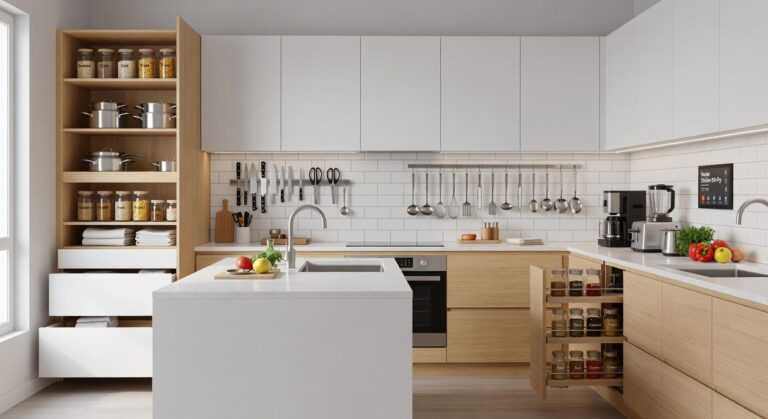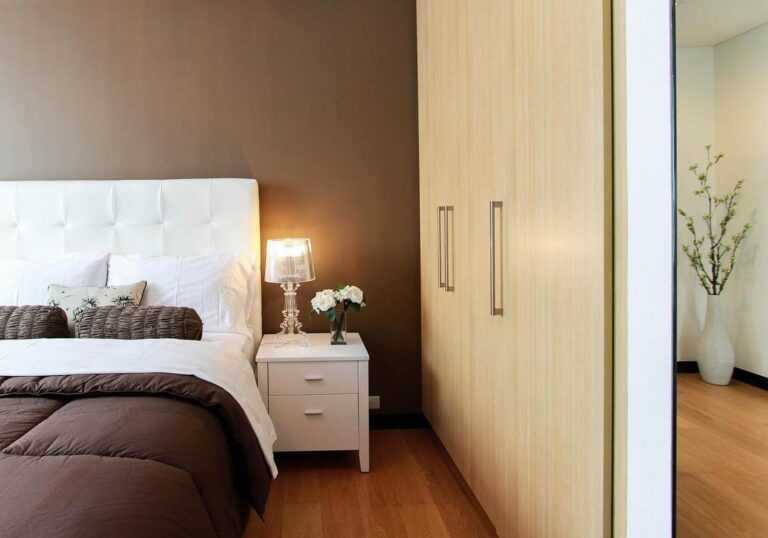

You hate walking into your own home and feeling like it’s not yours anymore.
Like someone else moved in while you weren’t looking.
I’ve watched friends scroll through gorgeous rooms online (and) then shut their laptops, defeated. Too expensive. Too complicated.
Too much to learn.
That’s not what this is.
Most guides show you the finish line but skip the steps. They assume you already know how to patch drywall or pick paint that won’t look weird at 3 p.m.
This isn’t one of those.
I’ve done every project here myself. Twice. On a tight budget.
With tools from Home Depot and zero contractor help.
You’ll get real techniques. Not just pretty pictures.
And you’ll walk away with both inspiration and the confidence to start tomorrow.
Renovation Tips and Tricks Decoradhouse means exactly that: no fluff, no gatekeeping, no surprise costs.
Just clear, working methods you can trust.
Weekend Wins: Big Impact, Zero Stress
I did three of these last month. My living room looked expensive. My kitchen felt new.
And I didn’t hire anyone.
Read more about how to pick what actually moves the needle.
Start with an accent wall. Pick one wall. Not the one behind your TV.
The one you see first when you walk in. Paint it charcoal or deep green. Use painter’s tape (not) the cheap kind.
And press down the edges with a credit card (yes, really). Eggshell finish hides scuffs but still wipes clean. Flat paint looks sad after week two.
You’ll finish this before lunch.
Swap cabinet hardware next. It takes 45 minutes. Pull off old knobs.
Measure center-to-center distance on the existing holes. Then make a cardboard template (cut) a small rectangle, mark the hole spots with a pin, and hold it over the drawer front. Drill through the pinholes.
No guessing. No mismatched pulls.
Pro tip: Buy all knobs at once. Even if you do cabinets in batches. Finish consistency matters more than you think.
Lighting is where people freeze. Don’t. Turn off the circuit breaker.
Not the switch. The actual breaker. Test it with a non-contact voltage tester (they) cost $12 and prevent stupid mistakes.
Then unscrew the old fixture. Match the wires: black to black, white to white, ground to ground. Tuck them tight.
Screw in the new base. Done.
That chandelier from 2003? Gone. Replaced with something that doesn’t scream “early-aughts divorce party.”
These aren’t decor projects. They’re confidence builders.
You see results fast. You stop scrolling Pinterest and start doing.
Renovation Tips and Tricks Decoradhouse isn’t about gutting your house. It’s about knowing which five minutes change everything.
Your space shouldn’t wait for “someday.”
It should feel better by Sunday night.
Cheap Tricks That Look Expensive
I hate fake luxury. You know the kind. Glossy finishes that chip by week two, gold hardware that tarnishes in the shower.
Real luxury is about intention. Not price tags.
Faux architectural details work. I’ve done board and batten on a rental wall with $12 worth of primed pine molding from Home Depot. You need molding, construction adhesive (not nails), a level, and paint.
That’s it. No carpenter. No permit.
Just clean lines and confidence.
You glue the vertical boards first. Then cap them with horizontal trim. Paint everything the same color.
Done.
It fools people every time. (Even interior designers who walk in and ask where I hired the millworker.)
Upcycling furniture? Don’t sand it to oblivion. Light sanding only.
Just enough to dull the shine. Then primer. Not optional.
Primer sticks. Paint doesn’t stick without it.
I redid a sad IKEA side table last month. One coat of primer. Two coats of Benjamin Moore Simply White.
Then a water-based polycrylic topcoat. It looks custom. Costs $38.
Layering textiles is not magic. It’s math. One large-scale pattern (a chunky knit throw).
One medium (a black-and-white geometric pillow). One small or solid (a linen lumbar pillow).
No more. No less. Three is enough.
Too many patterns scream “I tried too hard.” Too few feels bare. This formula works on sofas, beds, even patio chairs.
Speaking of patios (layering) works outdoors too, especially if you’re working with tight margins. Which brings me to How to Renovate. That page has the exact same approach: smart layers, low-cost materials, zero fluff.
Renovation Tips and Tricks Decoradhouse isn’t about shortcuts. It’s about knowing which steps actually move the needle.
Skip the marble backsplash. Do the trim instead.
Skip the designer rug. Do the throw + pillows + lumbar combo.
You’ll save money. And look like you spent twice as much.
Drywall, Caulk, Studs: The Three Things I Wish I Knew at 22

I patched my first wall hole with toothpaste. (It cracked in two hours.)
That’s why I’m telling you this now: learn to patch drywall flawlessly. Not “good enough.” Flawless.
Scrape flat with a putty knife. Let it dry fully (overnight, no cheating). Sand smooth with 120-grit until it disappears under your fingers.
Start with spackle. Not joint compound (for) nail holes and dings. Dab it in.
Then prime. Skipping primer makes the patch glow like a neon sign under paint.
You’ll use this skill more than you think. Every time you hang a shelf, move a hook, or change a light switch plate.
Caulking isn’t optional. It’s the line between amateur and done.
I see baseboards with gaps wider than my thumb. Window trim that looks like it’s gasping for air. That’s not charm.
That’s unfinished.
Run a steady bead of paintable acrylic caulk along clean, dry edges. Wet your finger (or use a tool) and drag it once. Firm, even pressure.
Wipe excess before it skins over. One pass. No second chances.
It takes 90 seconds. It changes everything.
Now (finding) a stud. This isn’t trivia. It’s physics insurance.
Hang a TV on drywall alone and you’re begging for a crash. A mirror? Same thing.
Use an electronic stud finder first. Calibrate it on bare wall. Mark both edges.
I go into much more detail on this in Decoradhouse Garden Tips.
Then verify with the knock test: solid thud = stud. Hollow echo = nope. Tap near your mark.
Listen like you mean it.
I’ve seen stud finders fail on lath-and-plaster. The knock test saved my ceiling fan install.
These aren’t “nice-to-haves.” They’re your foundation. Master them and every future project gets faster, safer, and less stressful.
You’ll stop calling handymen for $80 fixes.
You’ll start spotting bad work in other people’s homes. (It’s weirdly addictive.)
And when you do tackle something bigger. Like a full bathroom refresh. You’ll already know how to prep, seal, and anchor like someone who’s been doing this for years.
Your Home Feels Like Yours Again
I’ve been there. Staring at the same cabinets. Wishing the space just fit.
You don’t need a full gut job to stop feeling stuck.
Swapping cabinet hardware? That’s not fluff. It’s instant ownership.
One afternoon. Zero permits. You touch it every day and feel like you meant it.
That’s how real change starts. Not with a loan application, but with a screwdriver and five minutes of confidence.
Renovation Tips and Tricks Decoradhouse gave you that shortcut.
So pick one weekend project from the list. Right now. Grab the screws.
Buy the knobs. Do it Saturday morning.
You’ll stand back Sunday evening and think: This is mine.
That feeling? It’s not luck. It’s yours to take.
Go do it.
 Kimberly Coopericker is a dedicated contributor at Wutaw Help, known for her practical approach to everyday home living. She specializes in creating easy-to-follow guides that simplify organization, decluttering, and efficient space management. With a keen eye for detail and functionality, Kimberly helps readers transform their homes into more structured, stress-free environments through smart, achievable solutions.