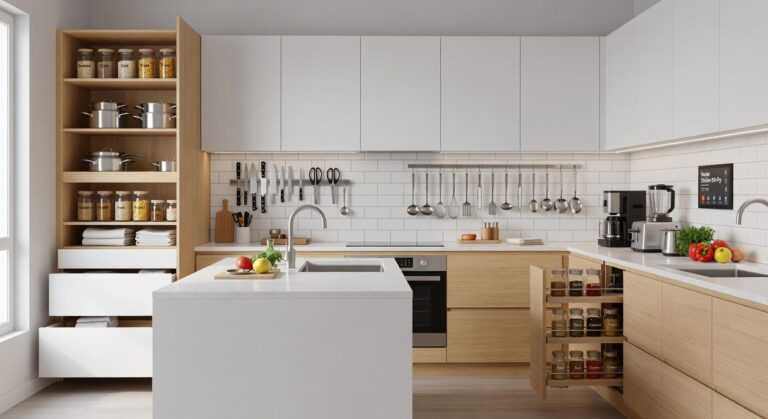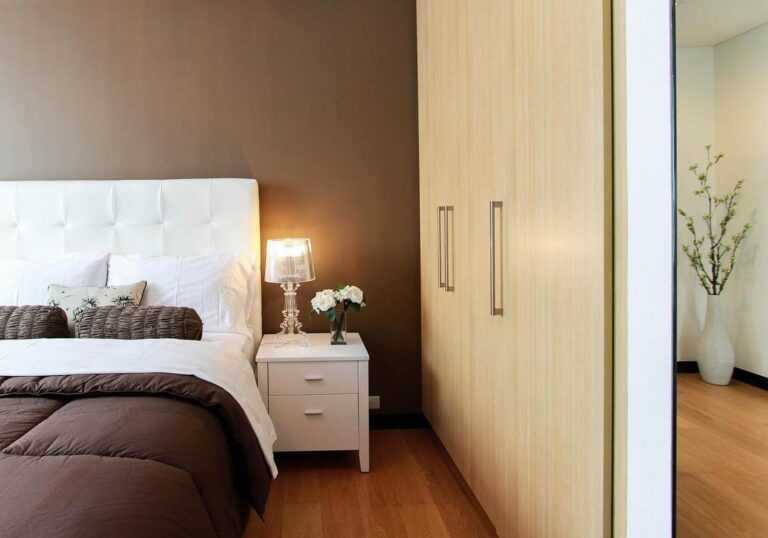

You’ve stood in your living room for ten minutes staring at the same blank wall.
Wondering why it feels so… off.
Or worse (you) scroll through endless Pinterest boards and feel more lost than inspired.
I know that feeling. I’ve seen it a thousand times.
Most people think decorating means buying expensive stuff or hiring someone else to fix it.
It doesn’t.
Great style starts with one smart choice. Not a full renovation.
I’ve helped real people turn their houses into homes they actually love. Not showrooms. Not magazine spreads.
Just their space, working for them.
No big budget required. No design degree needed.
Just clear steps. Real results.
This is How to Decorate My House Decoradhouse (not) theory. Not trends. Just what works.
You’ll walk away knowing exactly where to start. And what to skip.
The Foundation: Color and Light, Not Magic
I used to think good rooms just happened.
They don’t.
The 60-30-10 rule is how you stop guessing. Sixty percent neutral walls. Thirty percent furniture (like) your sofa.
Ten percent accents: pillows, a vase, one bold painting. Try it with beige walls, navy sofa, burnt-orange throw pillows. Done.
No stress.
You must test paint swatches on the wall. Not next to the chip. On the wall.
In the room. Watch them at 8 a.m., 2 p.m., and 7 p.m. Light changes everything (especially that weird fluorescent glow at noon).
Layered lighting isn’t fancy (it’s) functional. Ambient light fills the room (ceiling fixture, maybe). Task light helps you read or chop onions (lamp, under-cabinet strip).
Accent light highlights what matters (a photo, a shelf, your favorite chair).
Most rooms have only ambient light. That’s why they feel flat. Or tired.
Or like a dentist’s office.
Swap cool-white bulbs for warm-white ones. Instantly cozier. Add a floor lamp in a dark corner.
No wiring. No electrician. Just plug it in.
This isn’t about taste. It’s about control. You’re not decorating for someone else.
You’re building space that works for you.
If you’re starting from zero and want real-world examples (not) theory. Decoradhouse shows how people actually apply this stuff.
How to Decorate My House Decoradhouse starts here. Not with rugs. Not with mood boards.
With color ratios and bulb temps.
Skip the Pinterest rabbit hole. Start with 60-30-10. Then add light.
Then live in it.
Warm bulbs cost less than therapy.
Trust me.
Anchor First, Then Everything Else
I start every room with the biggest piece. The sofa. The bed.
The dining table. That’s your anchor.
Everything else orbits it. Not the other way around.
You’re probably staring at your empty room right now thinking: Where do I even begin?
Start there.
Pull that anchor away from the wall. Just six inches. Seriously.
It changes everything. (Your brain reads “floating” as “intentional.” Walls scream “afterthought.”)
Now build a conversational zone around it. Face two chairs toward the sofa. Angle a loveseat.
Add a small table between them (not) for drinks, but to signal this is where people talk.
You don’t need matching furniture. You need sightlines and proximity. If someone has to shout across the room to ask for the remote, the zone failed.
Measure twice. Move once. I’ve hauled a 90-pound sectional three times because I guessed the clearance.
Don’t be me.
Write down your room’s dimensions. Write down every piece’s dimensions. Tape them on the floor with painter’s tape.
Walk around them. Sit where the couch would be. Look up.
Look left. Does the lamp hit your eye? Does the door swing into the armrest?
That’s how you avoid the “why does this feel so cramped?” panic later.
Conversational zones are non-negotiable. They’re not decorative. They’re functional.
They’re why people stay in your living room instead of drifting to the kitchen.
And if you’re trying to figure out How to Decorate My House Decoradhouse, skip the mood boards for five minutes. Grab a tape measure. Do the math first.
Then decorate. Not before.
Texture, Plants, and the Rule of Three

I group things in threes. Always have. A coffee table with a book, a candle, and a small vase.
Shelves with a photo, a ceramic bowl, and a dried branch.
Odd numbers feel settled. Even numbers feel like they’re waiting for something else to show up.
Try it. Put two things on your shelf. Now add a third.
See how much faster your eye relaxes?
The Rule of Three isn’t magic. It’s just how our brains stop scanning and start seeing.
I wrote more about this in Home Exterior Hacks Decoradhouse.
Texture is where rooms go from flat to alive.
A velvet pillow on a linen sofa? Yes. A chunky knit throw over a leather chair?
Absolutely. Jute rug on hardwood? That’s not decor (that’s) grounding.
You don’t need expensive stuff. You need contrast. Soft against hard.
Rough against smooth. Warm against cool.
Plants are non-negotiable.
They breathe. They clean the air. They make silence feel intentional instead of empty.
Snake plants. Pothos. ZZ plants.
All will survive your schedule, your forgetfulness, and your weird lighting.
No green thumb required. Just one window and a watering can you refill once a week.
Gallery walls used to stress me out (until) I started tracing frames on paper.
Cut them out. Tape the paper to the wall. Move them around for a full day if you want.
Then (and) only then. Do you grab the hammer.
Mix personal photos with art prints. Include one piece that’s weird or ugly on purpose. That’s the one people remember.
This guide covers interior texture and rhythm. But if you’re also thinking about curb appeal, this guide walks through simple, low-cost exterior upgrades that actually stick.
How to Decorate My House Decoradhouse starts here (not) with paint swatches, but with how things feel under your fingers.
Don’t overthink the first pillow. Just pick one that makes you pause.
Art, Rugs, and Windows: Fix These Three Things First
I hang art too high. You probably do too. The center of the piece should sit at eye level. 57 to 60 inches from the floor.
Not the top. Not the bottom. The center.
Too-small rugs? They scream “I gave up halfway.”
Your sofa’s front legs must land on it. Your chairs too.
If they don’t, it’s not anchoring anything. It’s just floating.
Bare windows look unfinished. Cold. Like you walked out mid-decorating.
Simple curtains or blinds add softness. Privacy. A sense of done.
You don’t need a degree to fix these. Just measure once. Push furniture.
Hang with intention.
How to Decorate My House Decoradhouse starts here (not) with paint swatches or Pinterest boards.
Need help outside? Try How to Renovate My Patio Decoradhouse.
Start Creating a Home You Love Today
You’re not stuck. You’re just waiting for permission to begin.
That space still feels wrong? Yeah. It’s not you (it’s) the clutter, the bad layout, the colors that don’t breathe.
How to Decorate My House Decoradhouse isn’t about perfection. It’s about picking one thing. And doing it.
Move your sofa off the wall. Just try it. See how the room opens up.
Or grab three things you love (a) book, a plant, a photo (and) put them together on your dresser. That’s a vignette. That’s you showing up.
Most people wait for inspiration. I waited too (until) I realized action creates confidence, not the other way around.
Your home doesn’t need a full redo. It needs one change that makes you pause and think Yes.
This weekend. Pick one tip. Do it.
Then tell me what happened.
Go.
 Kimberly Coopericker is a dedicated contributor at Wutaw Help, known for her practical approach to everyday home living. She specializes in creating easy-to-follow guides that simplify organization, decluttering, and efficient space management. With a keen eye for detail and functionality, Kimberly helps readers transform their homes into more structured, stress-free environments through smart, achievable solutions.