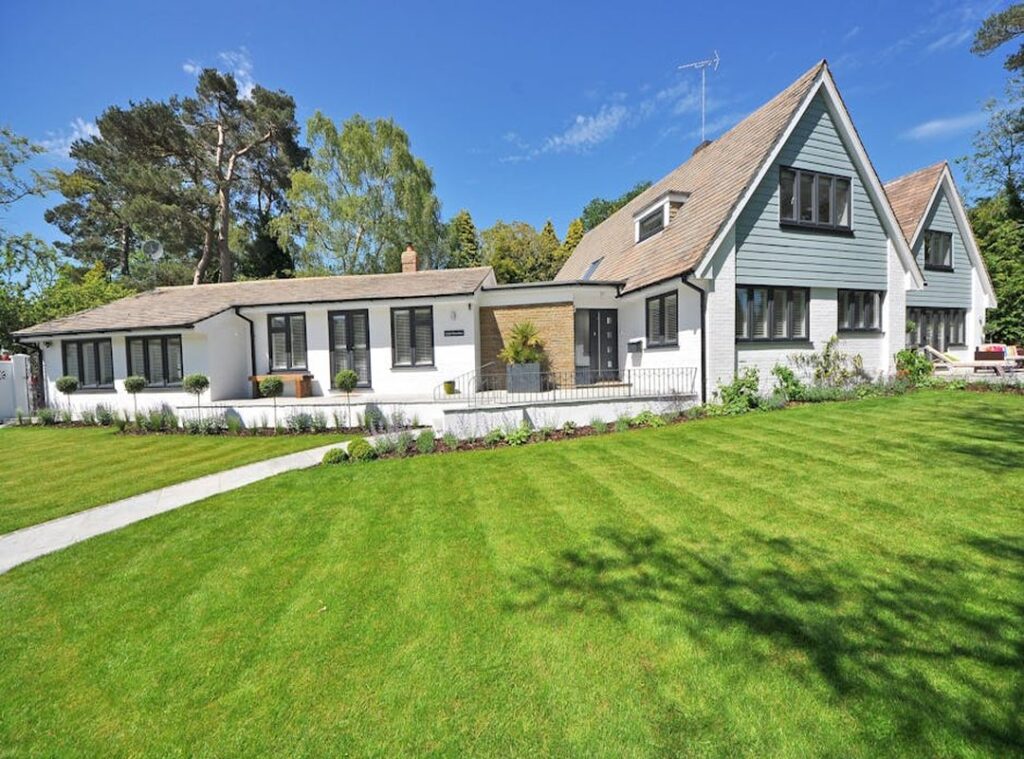
You’re standing in front of your house right now.
It’s not broken. But it feels off.
Tired. Dated. Like it doesn’t match who you are anymore.
You’ve scrolled for hours. Seen glossy photos. Read advice that assumes you have a contractor on speed dial (or) a blank check.
That’s not real life.
I’ve tested every idea in this guide (on) homes in Florida humidity, Minnesota winters, Arizona sun. On budgets from $200 to $5,000. On ranches, capes, midcentury boxes, and fixer-uppers with peeling paint.
Most so-called exterior advice fails hard. It’s either all style and no substance. Or all specs and zero soul.
This isn’t theory. These aren’t staged photos.
This is what actually works when you’re holding the brush, tightening the screws, or deciding whether to rip out that ugly siding.
We layer solutions. Start small. Build up.
Keep it cohesive.
Home Exterior Decoradhouse that fits your wallet, your climate, and your taste (not) some magazine fantasy.
No fluff. No guesswork. Just clear steps that add up.
You’ll know exactly where to begin. And where to stop.
Curb Appeal Isn’t Magic. It’s These Four Things
I ruined my first front door paint job. Satin finish? I used flat.
Rained for three days straight. Peeling by week two.
So here’s what actually works.
Front door color and finish (not) just any black. True matte black fades. Deep charcoal in satin lasts.
Satin sheds water. Flat traps it. You’ll see the difference in six months.
House numbers? If you can’t read them from the sidewalk at dusk, they’re useless. Stainless steel or cast aluminum.
No plastic. No mismatched brass next to brushed nickel (yes, I’ve seen it).
Entry lighting needs placement, not wattage. One fixture centered over the door. Not two flanking it.
Not four. One. Warm white only.
Cold light screams “security camera zone.”
Seasonal plant framing means structure first. Boxwood under windows. Dwarf spruce corners.
Then add tulips in front. Not hiding the foundation.
$100 gets you a fresh coat of satin door paint and cleaned house numbers. $300 adds proper lighting and two shrubs. $800? That’s full framing. Lighting, door, numbers, and layered plants.
I once planted hydrangeas too close to the siding. They grew into the gutters. Don’t do that.
Photograph your facade at noon and 6 p.m. before buying anything. Shadows lie. Light reveals.
Decoradhouse helped me spot the porch light glare I missed for two years.
Home Exterior Decoradhouse starts here (not) with flowers. With bones.
Material Matters: What Actually Survives Weather and Bad Taste
I’ve watched fiber cement crack at the joints after five years of freeze-thaw cycles. Engineered wood? Looks great until the first hailstorm chips the finish.
Stucco alternatives? Some hold up. Others peel like sunburnt skin.
Here’s how they really stack up:
Fiber cement lasts 50+ years. But only if installed with proper flashing and expansion gaps. Engineered wood needs recoating every 3 (5) years unless you spring for premium factory finishes.
Stucco alternatives vary wildly (some) mimic plaster so well you’ll swear it’s real (it’s not).
Warranties lie. A “50-year warranty” means nothing if it excludes fade resistance or impact damage. Ask for the written impact rating (ASTM D2794) and whether the warranty transfers if you sell the house.
Don’t pick colors off a screen. Grab a physical swatch. Hold it next to your existing siding in morning light, noon light, and dusk.
Your eyes will betray you online. They won’t in person.
I wrote more about this in Garden Hacks.
One upgrade nobody talks about: custom-coated gutters. Swap white or black for something that matches your door or trim. It costs 12% more.
It makes the whole facade look designed, not assembled.
Before ordering anything, ask vendors:
- Is fade resistance covered separately in writing? – What’s the real-world warranty transfer policy? – Can I see third-party test reports for impact and moisture absorption? – Do you supply matching caulk and fasteners? – What’s the lead time after approval. Not just after order?
Seasonal Decor That Doesn’t Quit
I paint my front door sage green and leave it. That’s the base layer. Permanent.
Non-negotiable.
Semi-permanent is where I get picky. Mounted planter boxes? Max 10 inches deep.
Anything deeper catches wind like a sail. Wall art stays up year-round. But only if it’s rated for outdoor UV exposure.
No exceptions.
The top layer rotates. Wreaths. Banners.
Decals. All removable. All seasonal.
Spring means lightweight woven fabric banners with galvanized metal hangers. Fall uses weather-resistant burlap. not cheap craft burlap. And UV-stabilized twine.
Winter swaps in matte, non-reflective ornaments and insulated LED string lights (the kind that won’t flicker at 20°F).
Scalability isn’t about doing it all at once. It’s adding one layer per season. Start with the base.
Then the mid-layer. Then rotate the top. Slow builds last.
Storing textiles matters more than you think. Fold burlap loosely (never) crease it tight. Hang woven banners on padded hangers.
Keep humidity under 50%. I use a hygrometer in my garage. (Yes, really.)
You’ll wreck burlap faster than you can say “fall festival” if you store it damp.
Home Exterior Decoradhouse starts here (not) with buying everything new every three months.
Garden hacks decoradhouse helped me nail the mounting specs for stainless steel hooks. I tested six brands before settling on ones rated for 40+ lbs outdoors.
Skip the glue guns. Skip the nails into brick without anchors. Do it right.
Or don’t do it at all.
Your porch shouldn’t look like a calendar. It should feel alive. Consistent.
Real.
Lighting as Decoration: Not Just Brighter. Better

I treat outdoor lighting like furniture. It’s not just about seeing. It’s about setting tone.
Path lights guide you. I use 100 (200) lumens at 2700K. Anything brighter blinds.
Anything cooler looks clinical. (And no, your neighbor’s blinding 5000K path lights are not a style choice. They’re a public service announcement.)
Entry sconces invite. Not shout. I pick dimmable, asymmetrical fixtures.
Two mismatched sconces (one) higher, one lower (made) my front door feel wider and warmer overnight. You notice it the second you walk up.
Uplighting trees or eaves? That’s ambiance. 300. 500 lumens. 2200K only. That deep amber glow wraps the house in quiet.
Solar sounds easy. Until year three, when batteries fade and panels under eaves barely charge.
Plug-in low-voltage kits? Max 50 feet before voltage drop. Run cords tight along foundations.
Staple them. Use conduit only where foot traffic or mowers threaten.
This is how you build Home Exterior Decoradhouse that breathes (not) just glows.
For more real-world upgrades like this, check out the Upgrading Tips Decoradhouse page.
Your Home’s Exterior Is Ready to Mean Something
I’ve been there. Staring at peeling paint. Swiping through endless Pinterest fails.
Wasting money on things that look wrong by July.
That overwhelm? It’s not you. It’s the system.
Disjointed ideas. Flashy shortcuts. Zero follow-through.
Home Exterior Decoradhouse fixes that. Not with magic. With order: foundation first, then materials, then seasonal layers, then lighting (each) step locking in the last.
You don’t need to redo everything. You need one win.
Pick one section right now. Front door refresh. Lighting audit.
Even just cleaning and repainting the trim.
Do its action steps. Finish them within 7 days.
You’ll feel it immediately. Less noise. More calm.
A home that stops apologizing and starts showing up.
Your home’s exterior doesn’t need to shout (it) just needs to speak clearly, consistently, and with care.
 Kimberly Coopericker is a dedicated contributor at Wutaw Help, known for her practical approach to everyday home living. She specializes in creating easy-to-follow guides that simplify organization, decluttering, and efficient space management. With a keen eye for detail and functionality, Kimberly helps readers transform their homes into more structured, stress-free environments through smart, achievable solutions.